I’ve been following LONGi’s BC technology for some time, and its new Hi-MO X10 full-screen three-proof module caught my attention.
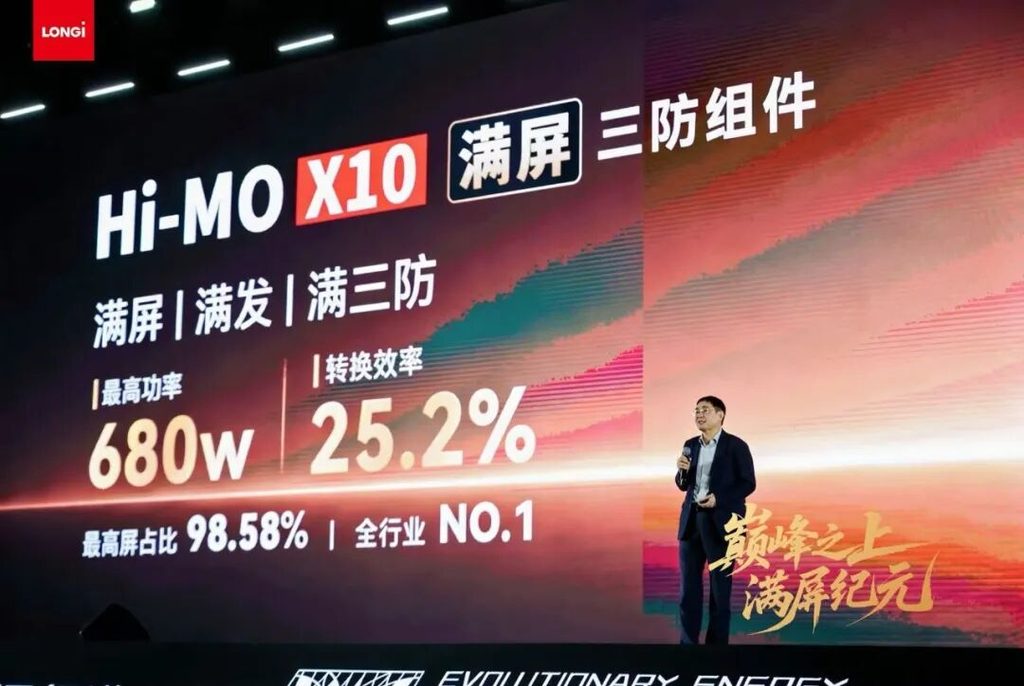
At first, the 680W power output and 25.2% efficiency are probably the first things people notice. But after looking through the product details, I think there is more to talk about than just the numbers.
For anyone working with commercial rooftop projects or looking for high-efficiency solar modules, some of the design changes are worth a closer look.
Here are a few things I found interesting.
1. More Power from the Same Module Area
One thing I like about the Hi-MO X10 is its full-screen design.
According to LONGi, the module reaches up to 680W, with a maximum conversion efficiency of 25.2%.
Its light-receiving area reaches 759.3 cm², and the screen-area ratio is 98.58%.
In simple terms, LONGi has worked on reducing the space that does not contribute to power generation. The aim is to make better use of the available module surface.
Why does this matter?
On a commercial rooftop, space is often limited. You cannot always add more panels when the electricity demand increases. A higher-power module can help install more capacity within the same available area.
Of course, the actual installed capacity still depends on roof dimensions, layout, shading and structural conditions. But it is certainly a feature worth considering.
2. HPBC 2.0: The Technology Behind It
The Hi-MO X10 uses LONGi’s HPBC 2.0 technology.
BC stands for Back Contact. Unlike conventional solar cells with electrical contacts on the front, BC technology places the contacts on the rear side.
This gives the front surface a cleaner appearance and allows more sunlight to reach the cell.
LONGi has continued to improve this technology in the X10 series, including cell structure, electrical connections and module design.
For customers who are comparing BC and TOPCon modules, I would suggest looking beyond the rated wattage. Efficiency, temperature performance, shading conditions, bifaciality and the overall system cost all deserve attention.
There is no single technology that is automatically the best choice for every project.
3. Three Protection Features That Deserve Attention
These may sound like technical terms, but they relate to problems that solar projects can actually encounter.
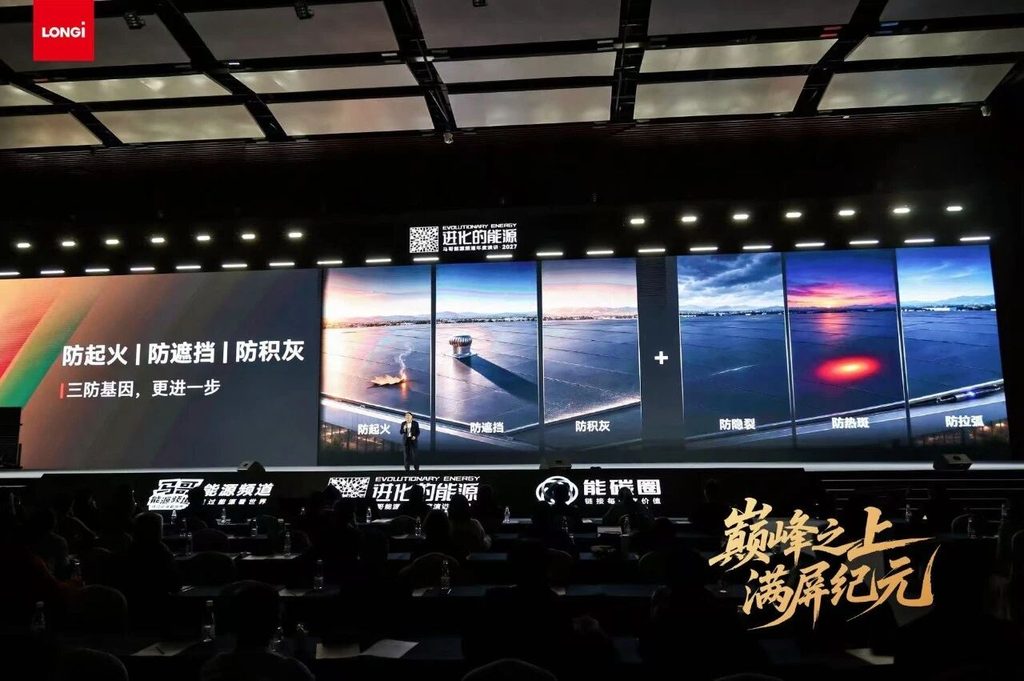
The other part of the Hi-MO X10 announcement is its three-proof design: anti-hotspot, anti-arcing and anti-microcrack.
Anti-hotspot
Bird droppings, leaves and nearby structures can cause partial shading. In some situations, this may lead to localized overheating.
LONGi has developed a special current conduction design to help reduce hotspot risks under shading conditions.
This is particularly relevant for rooftops where it is not always possible to avoid every source of shade.
Anti-arcing
DC arcing is something installers and system owners should take seriously.
LONGi uses laser fusion welding in its junction box connection design to improve connection reliability and reduce potential electrical risks.
It is a small part of the module, but an important one when we talk about long-term system safety.
Anti-microcrack
Solar panels go through quite a lot before they start generating electricity: manufacturing, packing, transportation, installation and years of outdoor operation.
During these stages, mechanical stress can affect solar cells.
LONGi’s low-temperature welding and optimized ribbon design are intended to reduce stress on the cells and lower the risk of microcracks.
For me, this is one of the more practical parts of the product. A module needs to remain reliable after delivery and installation, not just look good on a datasheet.
4. Where Could Hi-MO X10 Be a Good Fit?
I would pay particular attention to commercial and industrial rooftops.
These projects often have limited installation space, and higher power per module can be useful when trying to make better use of the available roof area.
The additional protection features may also be worth considering where partial shading and long-term operating conditions are concerns.
For ground-mounted projects, the decision may be different. Land availability, module price, bifacial energy yield, mounting structure and total system cost can have a bigger influence on the final choice.
Before recommending a module, I would always want to understand the project first.
A 680W module is not automatically the right choice just because it has a higher power rating.
5. A Few Things to Check Before Buying
If you are considering LONGi Hi-MO X10 for an upcoming project, I would suggest checking a few details with your supplier:
- The exact module model and available power range
- The latest official datasheet and certification documents
- Module dimensions, weight and mechanical load requirements
- Compatibility with the selected inverter and mounting system
- Current stock, production schedule and delivery time
The 680W figure is the maximum power announced for the product. Actual available specifications and supply conditions should be confirmed before placing an order.
At Joinsun, we work with customers on LONGi module selection and supply. We are always happy to look at the project details first and help find a suitable option.
If you are comparing BC solar modules or planning a commercial rooftop project, feel free to get in touch. Sometimes a short technical discussion before purchasing can save quite a bit of time later.