Bifacial Solar Panels: Are They Worth the Investment for Commercial Projects?
Solar energy is growing fast, especially for businesses and large buildings. Many companies want solar systems that produce more power and lower electricity costs. This is where Bifacial Solar Panels come in.
In this guide, you will learn how Bifacial Solar Panels work, how much extra energy they can make, and when they are a good choice for commercial projects. This will help you decide if bifacial solar panels are right for your project.
What Are Bifacial Solar Panels?
Bifacial Solar Panels are solar panels that can make power from both sides. Most regular solar panels only use the front side to collect sunlight. Bifacial solar panels use the front side and the back side at the same time.
The front side of bifacial solar panels works just like a normal panel. It absorbs direct sunlight from the sun. The back side collects light that bounces off the ground, roof, or nearby surfaces. This reflected light helps the panel produce extra electricity.
Because bifacial solar panels use more light, they can generate more energy over the year. This extra power depends on where and how the panels are installed. The surface under the panels, the height of the panels, and the amount of shade all matter.
Most bifacial solar panels are made with glass on both sides. This allows sunlight to pass through the back side easily. These panels are strong and are often used in commercial and large solar projects.
How Bifacial Solar Panels Work
Bifacial Solar Panels work by collecting sunlight from two directions. The front side faces the sun and collects direct sunlight during the day. This part works the same way as regular solar panels.
The back side of bifacial solar panels collects reflected light. This light comes from the ground, roof, concrete, gravel, or other bright surfaces below the panels. Even cloudy skies can send soft light to the back side.
The amount of extra energy depends on how much light reaches the back. Bright surfaces reflect more light. White roofs, light-colored gravel, and concrete work well. Dark surfaces reflect less light, so they give less extra power.
The height and angle of the panels also matter. When bifacial solar panels are raised higher, more light can reach the back side. If panels are too close to the surface, the back side does not get enough light.
Types of Bifacial Solar Panels
There are different types of Bifacial Solar Panels, but they all work in a similar way. The main difference is how they are built and what materials they use.
Glass–Glass Bifacial Solar Panels
Glass–glass bifacial solar panels have glass on both the front and the back. This design allows sunlight to pass through both sides easily. These panels are strong and last a long time. Because of this, they are very common in commercial solar projects.
Glass–glass bifacial solar panels are heavier than regular panels. This means rooftops and mounting systems must be strong enough to support them.
Glass–Backsheet Bifacial Solar Panels
Glass–backsheet bifacial solar panels have glass on the front and a clear or light-colored sheet on the back. The back sheet lets some light reach the solar cells. These panels are lighter than glass–glass panels but usually collect less light from the back.
Bifacial Cell Technologies
Bifacial solar panels can also use different types of solar cells. Common types include PERC, TOPCon, and HJT. These cell types affect efficiency and cost, but the basic idea stays the same. They allow both sides of the panel to produce power.
How Much More Energy Do Bifacial Solar Panels Produce?
Bifacial Solar Panels can produce more energy than regular solar panels, but the extra amount is not always the same. The increase depends on where and how the panels are installed.
In many commercial projects, bifacial solar panels produce about 5 to 15 percent more energy over a year. This extra power comes from the back side of the panel. In well-designed systems, the gain can be even higher.
Projects with bright surfaces under the panels usually perform better. White roofs, concrete, and light gravel reflect more sunlight. This reflected light helps bifacial solar panels make more electricity.
Panel height also affects energy output. When bifacial solar panels are raised higher, more light can reach the back side. Wider spacing between rows can also reduce shading and improve performance.
However, if the surface below the panels is dark or the panels are mounted too low, the extra energy can be small. In these cases, the benefit of bifacial solar panels may be limited.
Key Factors That Affect Bifacial Solar Panel Performance
The performance of Bifacial Solar Panels depends on several important factors. These factors decide how much extra energy the panels can produce.
Surface Reflectivity (Albedo)
The surface under the panels plays a big role. Bright surfaces reflect more sunlight. White roofs, concrete, and light gravel work very well. Dark roofs or soil reflect less light, which reduces the back-side power of bifacial solar panels.
Mounting Height and Angle
Bifacial solar panels work better when they are mounted higher. Extra space below the panels allows more light to reach the back side. The tilt angle also matters. A good angle helps both sides collect more sunlight.
Shading and Panel Spacing
Shadows reduce energy production. Objects like walls, equipment, or nearby panels can block light from reaching the back side. Proper spacing between rows helps reduce shading and improves performance.
Location and Climate
Sunny locations with clear skies often perform best. However, even cloudy areas can benefit because reflected and soft light still reaches the back side. Snow can also help by reflecting sunlight in colder regions.
Are Bifacial Solar Panels Worth It for Commercial Projects?
Whether Bifacial Solar Panels are worth the investment depends on the project. They are not a one-size-fits-all solution. Some commercial projects benefit a lot, while others see only small gains.
Bifacial solar panels can produce more energy than regular panels. This can help lower electricity costs over time. However, the extra energy only matters if the system is designed correctly.
In many commercial projects, the cost of bifacial solar panels is slightly higher than standard panels. There may also be extra costs for mounting systems, spacing, or roof preparation. These costs must be compared to the extra energy produced.
For ground-mounted systems and solar carports, bifacial solar panels often make sense. These setups allow more light to reach the back of the panels. For tight rooftop systems, the value may be lower.
Cost vs Performance of Bifacial Solar Panels
When choosing Bifacial Solar Panels, cost and performance must be looked at together. A panel that makes more power is only useful if the extra power is worth the extra cost.
Bifacial solar panels usually cost a little more than regular solar panels. In recent years, this price gap has become smaller. In many cases, the panel price difference is not very large.
The main cost difference often comes from the system design. Bifacial solar panels may need higher mounting, wider spacing, or stronger structures. These changes can increase installation costs, especially for rooftops.
On the performance side, bifacial solar panels can produce more energy each year. This extra energy can lower the cost of electricity over the life of the system. If the energy gain is strong, the system can pay for itself faster.
For commercial projects, Bifacial Solar Panels make the most sense when the added performance is higher than the added cost.
Best Commercial Use Cases for Bifacial Solar Panels
Bifacial Solar Panels work best in certain commercial setups. These setups allow enough light to reach both sides of the panel.
Ground-Mounted Commercial Solar Systems
Ground-mounted systems are one of the best uses for bifacial solar panels. These systems are raised off the ground, which lets light reflect onto the back side. Light-colored gravel or concrete under the panels can increase energy production even more.
These systems also have more space between rows. This reduces shading and helps bifacial solar panels work better.
Commercial Rooftop Solar Systems
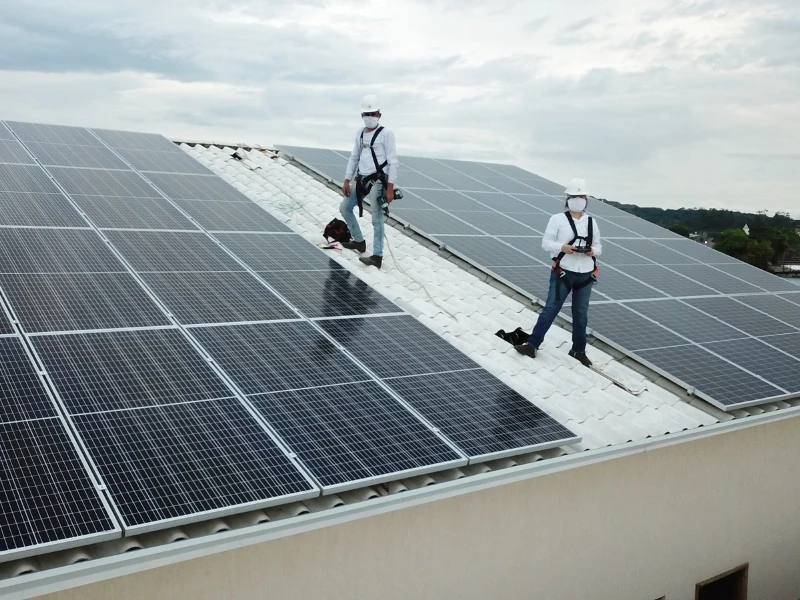
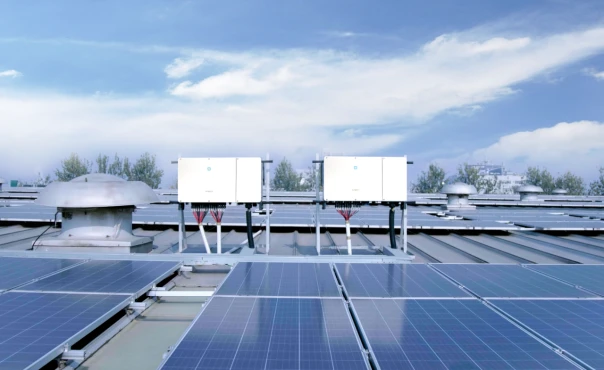
Bifacial solar panels can work on rooftops, but only in the right conditions. White or light-colored roofs reflect more sunlight. Panels also need to be raised higher above the roof surface.
On dark roofs or crowded rooftops, bifacial solar panels may not produce much extra power.
Solar Carports and Canopies
Solar carports are a great match for bifacial solar panels. The panels are high above the ground and sit over concrete or pavement. These surfaces reflect light well and help the back side produce more energy.
Advantages and Disadvantages of Bifacial Solar Panels
Bifacial Solar Panels have clear benefits, but they also have some limits. Understanding both helps make better decisions.
Advantages of Bifacial Solar Panels
- Bifacial solar panels can produce more energy than regular panels
- They use sunlight more efficiently by collecting light from both sides
- They work well in open spaces and raised systems
- Many bifacial solar panels are strong and long-lasting
- They can lower electricity costs over time when designed correctly
Disadvantages of Bifacial Solar Panels
- Bifacial solar panels may cost more to install
- Performance depends heavily on surface reflectivity
- They need careful design to avoid shading
- Some systems require more space than standard panels
- Heavier panels may not be suitable for all rooftops
For the right project, Bifacial Solar Panels offer strong benefits. For others, regular solar panels may be the better choice.
Design and Installation Considerations for Bifacial Solar Panels
Good design is very important when using Bifacial Solar Panels. Without proper planning, the extra energy benefit can be lost.
Mounting Height and Structure
Bifacial solar panels work best when they are raised higher. This allows more light to reach the back side. Rooftop systems may need special mounting frames. Ground-mounted systems may need stronger support structures.
Before installation, the roof or ground must be checked to make sure it can support the extra weight.
Surface Under the Panels
The surface below the panels should reflect light well. White roofs, concrete, or light gravel improve performance. Dark surfaces reduce the benefit of bifacial solar panels.
Some projects repaint or upgrade surfaces to increase reflectivity.
Panel Spacing and Layout
Panels should be spaced far enough apart to reduce shadows. Shading from nearby panels or objects can block light from the back side.
Reliability, Durability, and Maintenance
Bifacial Solar Panels are built to last, especially in commercial projects. Many of these panels use glass on both sides, which helps protect the solar cells from weather and damage.
Strength and Lifespan
Glass on both sides makes bifacial solar panels strong. They can handle wind, rain, and temperature changes well. Because of this, many manufacturers offer long warranties.
These panels often keep producing power for many years with slow performance loss.
Degradation and Electrical Safety
Like all solar panels, bifacial solar panels slowly lose efficiency over time. Good system design helps reduce this loss. Proper grounding and voltage control are important to keep the system safe and reliable.
Bifacial Solar Panels vs Monofacial Panels
When comparing Bifacial Solar Panels to monofacial panels, the main difference is how they collect sunlight. Monofacial panels only use the front side. Bifacial solar panels use both the front and the back side.
Bifacial solar panels can produce more energy when installed correctly. The extra power comes from reflected light. Monofacial panels do not have this advantage.
Monofacial panels are often easier to install. They usually cost less and work well in tight spaces. This makes them a good choice for crowded rooftops.
Bifacial solar panels work better in open areas with good light reflection. They are often used in ground-mounted systems, carports, and raised rooftop designs.
How to Decide If Bifacial Solar Panels Are Right for Your Project
Choosing Bifacial Solar Panels starts with asking the right questions. Not every project will benefit the same way.
First, look at the surface under the panels. Light-colored surfaces reflect more sunlight and help bifacial solar panels produce extra energy. Dark surfaces reduce this benefit.
Next, consider the space available. Bifacial solar panels often need more height or spacing. If your project has limited space, regular panels may work better.
You should also think about cost. Compare the added installation cost with the extra energy produced over time. The goal is to save more money than you spend.
Finally, review the system design carefully. Good layout, low shading, and proper mounting are key to success.
Conclusion
Bifacial Solar Panels offer a powerful way to produce more solar energy, but they are not the right choice for every project.
The key to success is planning. When cost, layout, and surface reflectivity are carefully considered, Bifacial Solar Panels can help businesses lower energy costs and improve long-term performance.
Ready to see if Bifacial Solar Panels are right for your project?
Contact SunNow today for expert guidance and a custom commercial solar solution that fits your energy goals.