Global Solar Panel Market Trends 2026: What B2B Buyers Need to Know
The solar panel market is huge and growing fast, going into 2026. In 2024, the world added about 597 GW of new solar power, which is a record year. Another global tracker says new solar in 2024 was at least 554 GW and could be as high as about 602 GW, depending on how projects are counted.
For 2026, some forecasts expect the world to add even more solar. New solar could reach about 753 GW in 2026 (after about 700 GW in 2025). At the same time, factories can make far more panels than the world installs each year.
So yes, buyers may see great deals in the solar panel market. But low prices can also bring problems, like weaker suppliers, sudden part changes, and tricky trade rules. This guide will help B2B buyers understand the solar panel market in 2026 and make safer choices.
Solar Panel Market in 2026: The Big Picture for B2B Buyers
In 2026, the solar panel market will still be busy, but the main problems are changing. In many places, the biggest limit is not the number of panels. The limit is getting a grid connection, getting permits, and finishing projects on time.
That is why B2B buyers now care more about
“Can this supplier deliver without delays?” and
“Will the panels perform as promised for many years?” in the solar panel market.
Another big change is how projects are being built. More solar farms are adding batteries, so they can use solar power when the sun is not shining. This means some buyers are no longer buying panels alone. They are buying a full package: panels, inverters, and storage, plus software to run it all. In the solar panel market, vendors who can support the whole project often win, even if their panel price is not the lowest.
Also, rules are getting stricter. More tenders ask for proof about where products come from, how they were made, and if the supply chain is clean and legal. So the solar panel market is not just about watts and price anymore. It is also about compliance, paperwork, and trust.
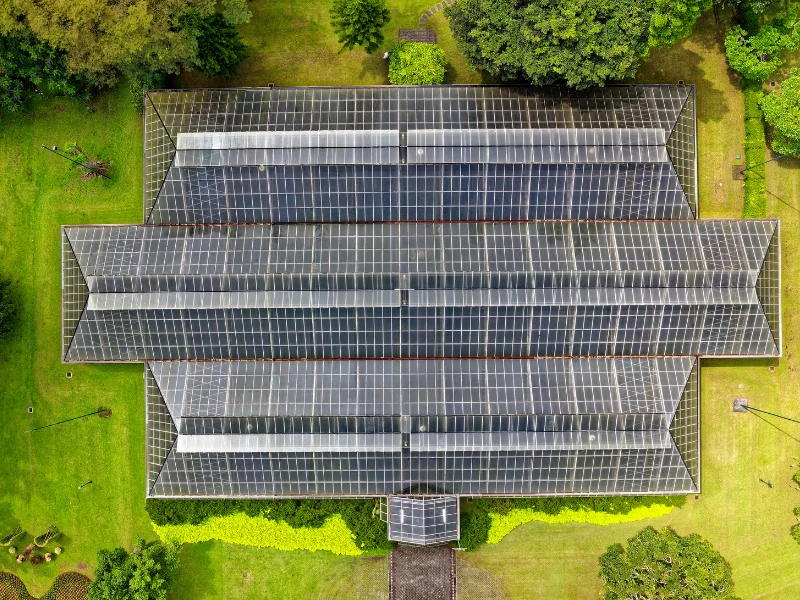
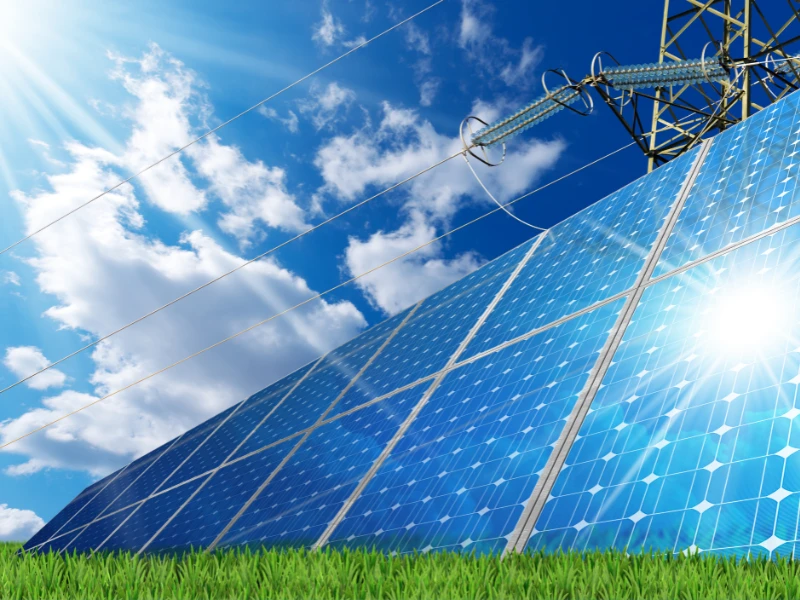
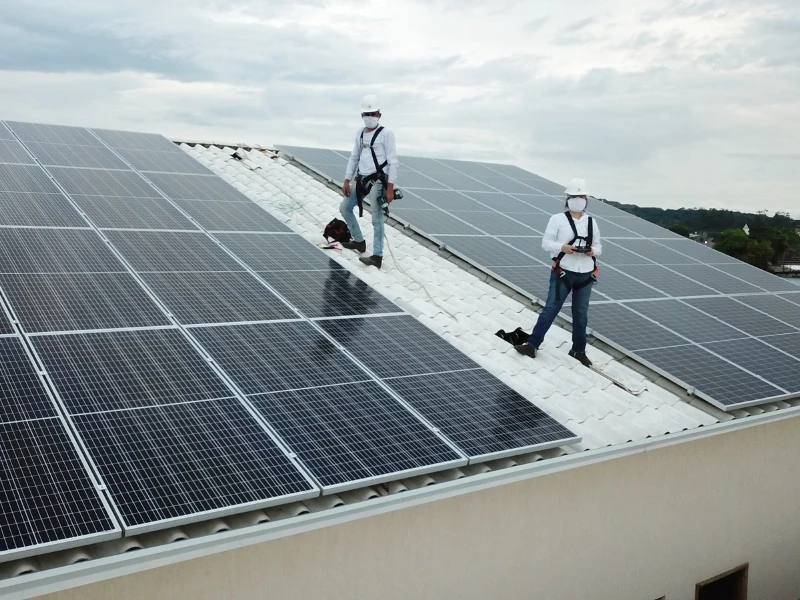
Alt text: Rooftop solar installation showing growth of the global solar panel market
Solar Panel Market Pricing Trends 2026: Oversupply, Deals, and Hidden Risk
Prices in the solar panel market look very attractive going into 2026. One main reason is oversupply. Factories around the world, especially in Asia, can now make far more solar panels than the world installs each year. When supply is higher than demand, prices fall. This is good news for buyers who want to lower project costs in the solar panel market.
But low prices also bring hidden risks. Some manufacturers are under strong financial pressure. To survive, they may cut costs by changing materials, using cheaper parts, or rushing production. These changes can lower panel quality and shorten panel life. In the solar panel market, a cheap panel that fails early can cost more in repairs and lost power than a higher-priced, reliable one.
Another risk is warranty support. If a supplier goes out of business, their warranty may be useless. This is a real concern in the solar panel market during long periods of low prices. Buyers should not look at price alone. They should also look at the supplier’s size, track record, and ability to support projects for 20 to 30 years.
What B2B buyers should negotiate when prices are low
When prices are low in the solar panel market, buyers have strong power in talks. Use this power to protect your project. Ask for a clear list of parts used in the panel and rules that stop changes without your approval. Require factory checks and third-party inspections before shipment. Also ask how warranties are backed, such as insurance or a strong parent company. These steps help turn low prices in the solar panel market into real savings, not future problems.
Supply Chain and Trade Policy: Local Content, Traceability, and Compliance
In 2026, supply chain rules will shape many deals in the solar panel market. For many projects, it is no longer enough to show a low price and good power output. Buyers are now asked to prove where the panels were made and where key parts come from. These rules are becoming common in public tenders and large company projects in the solar panel market.
Local content rules are one big reason. Some countries want more solar equipment made at home or in friendly regions. If panels do not meet these rules, projects may lose funding or fail to qualify for tenders. This makes supplier choice very important in the solar panel market.
Traceability is another key issue. Buyers may need clear documents that show the full path of the product, from raw materials to the finished panel. This helps reduce legal risk and shows that the supply chain follows labor and trade laws. In the solar panel market, suppliers who can provide clear and honest records have a strong advantage.
Solar panel market compliance checklist for tenders
Before signing a deal in the solar panel market, check that the supplier can provide proof of factory location, parts origin, and production steps. Make sure contracts include clauses that deal with changes in trade rules or tariffs. Also confirm that documents can be audited if needed. These steps help avoid delays, fines, or project failure caused by non-compliance in the solar panel market.
Technology Shifts Reshaping the Solar Panel Market: N-type, TOPCon, HJT
Technology is moving fast in the solar panel market, and 2026 will look very different from just a few years ago. Older PERC panels are slowly being replaced by newer N-type panels. These newer panels can produce more power and lose less performance over time. Because of this, many large buyers now see N-type as the new normal in the solar panel market.
One popular N-type technology is TOPCon. It offers good efficiency at a cost that works for large projects. Another type is HJT, which can reach very high efficiency but often costs more. For most buyers in the solar panel market, TOPCon is expected to be the most common choice in 2026 because it balances performance and price.
As technology improves, panel specs are becoming harder to compare. Two panels with the same watt rating may perform very differently in real life. Heat, low sunlight, and dirt all affect output. That is why buyers in the solar panel market should focus on energy output over time, not just the number printed on the label.
What to compare beyond nameplate watts
When choosing panels in the solar panel market, look at how they perform in hot weather and low light. Check how much power they lose each year and how well they work when light reflects off the ground. Also consider where the project is built. Coastal, desert, and farm areas all stress panels in different ways. These details help buyers choose panels that deliver steady power for many years in the solar panel market.

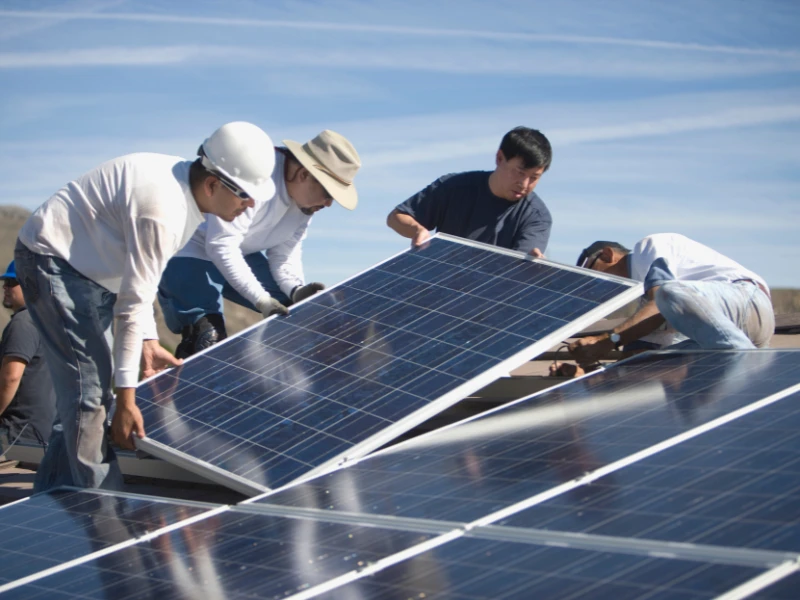
Alt text: Engineers inspecting panels on a solar site in the solar panel market
Quality and Bankability: How to Vet Solar Panel Market Suppliers in 2026
In 2026, quality and trust matter more than ever in the solar panel market. With many suppliers offering very low prices, buyers must be careful about who they work with. A supplier may look good on paper, but if they cannot support the project for many years, the risk is high. In the solar panel market, long-term performance is just as important as short-term savings.
Bankability is a simple idea. It means the supplier has a strong history, healthy finances, and stable factories. Banks and investors prefer projects that use panels from trusted brands because the risk of failure is lower. In the solar panel market, using a bankable supplier can also make financing easier and cheaper.
Quality checks should go beyond basic certificates. Buyers should understand how panels are made and how changes are controlled. Small changes in materials can affect performance and life span. That is why strong process control is important in the solar panel market.
Must-have contract protections for solar panel market purchases
To reduce risk in the solar panel market, contracts should give buyers the right to audit factories and check production lines. Third-party inspections before shipping help catch problems early. Contracts should also clearly explain what happens if panels fail and how disputes are solved. Also, ask for spare panels or clear replacement rules. These steps protect projects and help buyers avoid costly surprises in the solar panel market.
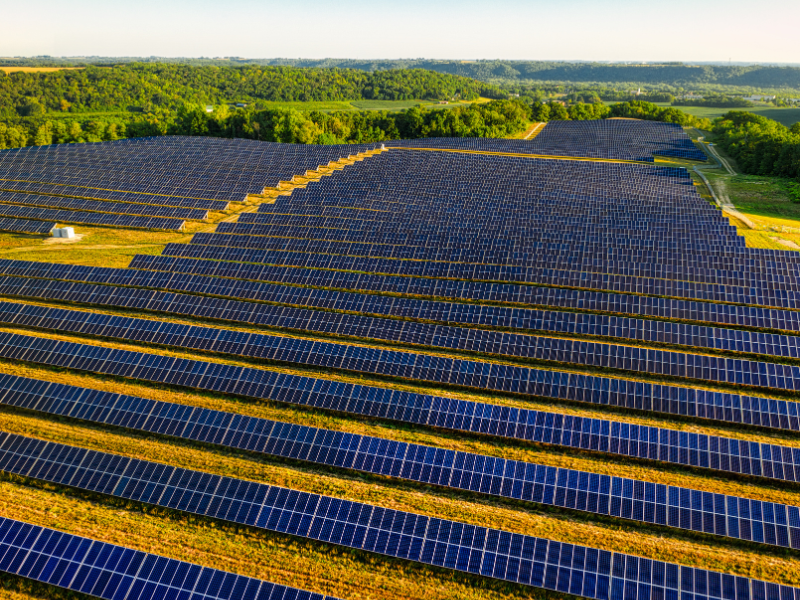
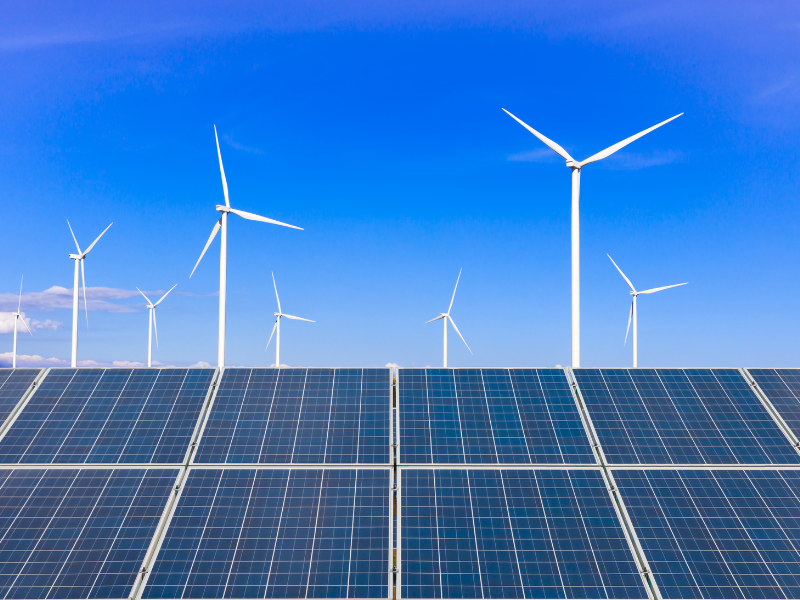
Alt text: Utility-scale solar farm highlighting expansion of the solar panel market
2026 Procurement Playbook: Step-by-Step Buying Strategy
Buying in the solar panel market in 2026 works best when teams follow a clear plan. Rushing to lock the lowest price often leads to delays or quality issues later. A simple, step-by-step process helps buyers stay in control and reduce risk in the solar panel market.
First, define your project needs. Know where the project is located, what rules apply, and what technical limits exist. This helps narrow down suppliers early in the solar panel market. Next, pre-qualify vendors. Check their factory size, past projects, and financial strength before asking for final prices.
Then, lock the technical details. Make sure panel specs, performance assumptions, and testing rules are clearly written and agreed. After that, structure pricing and delivery schedules so panels arrive when the project is ready, not months early or late. In the solar panel market, timing mistakes can be expensive.
Finally, set up a quality plan. Include inspections, clear acceptance tests, and a process for handling defects. Also plan for warranties and spare panels from the start. Following this playbook helps B2B buyers turn complexity in the solar panel market into a well-managed and predictable process.
Solar Panel Market FAQ
What is driving prices in the solar panel market in 2026?
Prices in the solar panel market are mainly driven by oversupply. Factories can make more panels than the world installs each year. This pushes prices down. At the same time, trade rules, shipping costs, and supplier stability can still affect final prices for buyers.
Is the solar panel market moving away from older panel types?
Yes. The solar panel market is slowly moving away from older PERC panels. Newer N-type panels, such as TOPCon and HJT, are becoming more common because they produce more power and lose less performance over time.
How can buyers reduce warranty risk in the solar panel market?
Buyers can reduce risk by choosing stable suppliers, asking how warranties are backed, and adding clear warranty terms in contracts. Factory audits and inspections also help reduce problems in the solar panel market.
What documents should buyers request for compliance?
In the solar panel market, buyers should ask for factory location details, parts origin records, and supply chain documents. These help meet tender rules and reduce legal risk.
Conclusion
The solar panel market in 2026 offers big chances for B2B buyers, but it also brings new risks. Low prices, fast technology change, and stricter rules mean buyers must look beyond simple cost comparisons. Success in the solar panel market comes from smart planning, careful supplier checks, and strong contracts.
By focusing on quality, compliance, and long-term performance, buyers can turn today’s complex solar panel market into reliable and profitable projects for many years to come.