Monocrystalline vs. Polycrystalline Solar Panels: Which is Best for Commercial Use?
Choosing the right solar panels is an important decision for any business planning to install a commercial solar system.
Two common options are monocrystalline and polycrystalline solar panels, but many people are unsure which one is better for commercial use. The right choice can affect energy output, roof space, long-term savings, and system performance.
In this guide, we break down the differences between monocrystalline vs polycrystalline solar panels in simple terms. You will learn how each type works, how they perform in real conditions, and which option makes more sense for commercial buildings.
This article will help business owners make a smart and confident solar investment.
What Are Monocrystalline and Polycrystalline Solar Panels?
Solar panels are made to turn sunlight into electricity. Most commercial solar panels are made from a material called silicon.
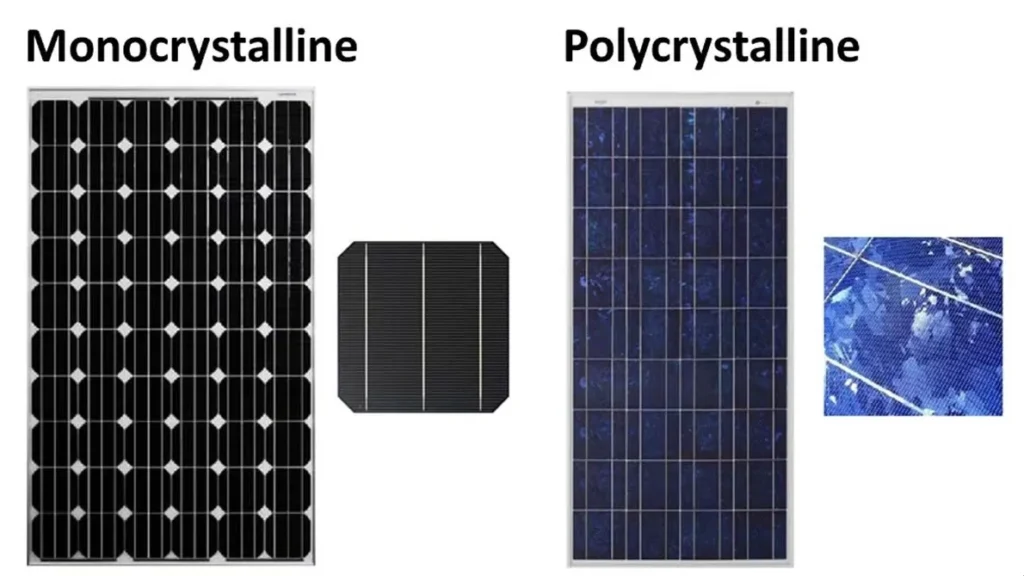
There are two main types of silicon solar panels:
Monocrystalline Solar Panels
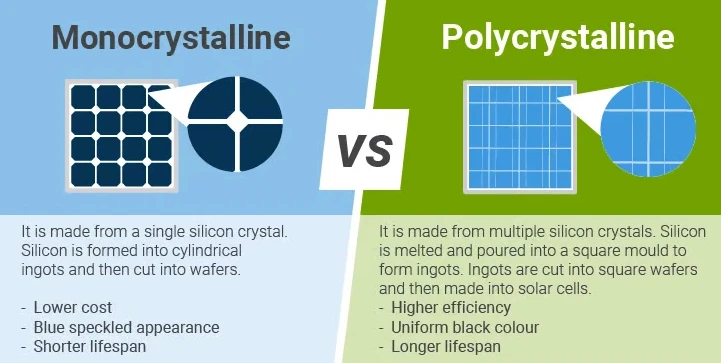
Monocrystalline panels are made from one single piece of silicon. Because the silicon is pure and smooth, electricity can move easily through it.
These panels usually:
- Look dark black
- Produce more power from the same space
- Work better in low sunlight
Polycrystalline Solar Panels
Polycrystalline panels are made from many small pieces of silicon melted together. Manufactured through the ingot casting of high-purity silicon raw material. Molten silicon is directionally solidified to create a block (ingot) with multiple crystalline grains.Because the silicon pieces are not perfectly lined up, electricity does not flow as smoothly.
These panels usually:
- Look blue
- Produce a bit less power
- Need more space to make the same energy
Why This Difference Matters
For homes or businesses with limited roof space, how much power a panel makes is very important. This is why understanding the difference between these two panels helps businesses choose the right option.
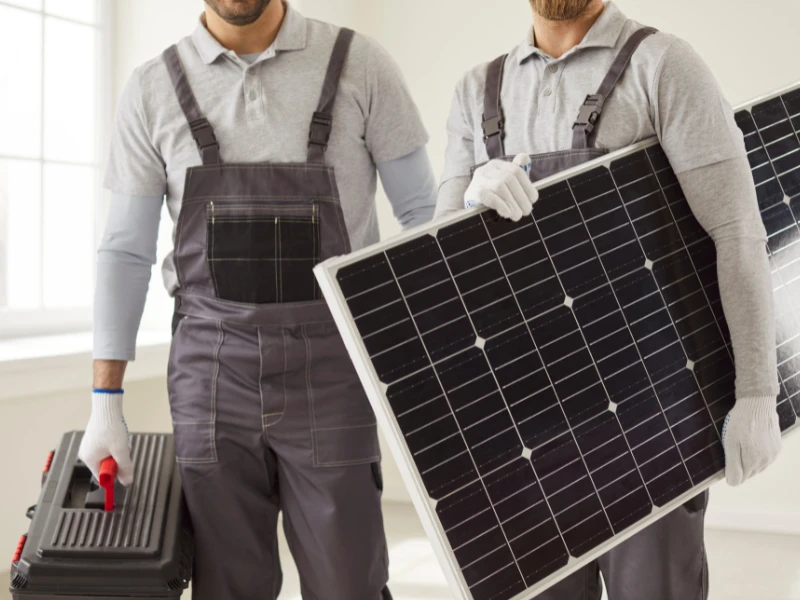
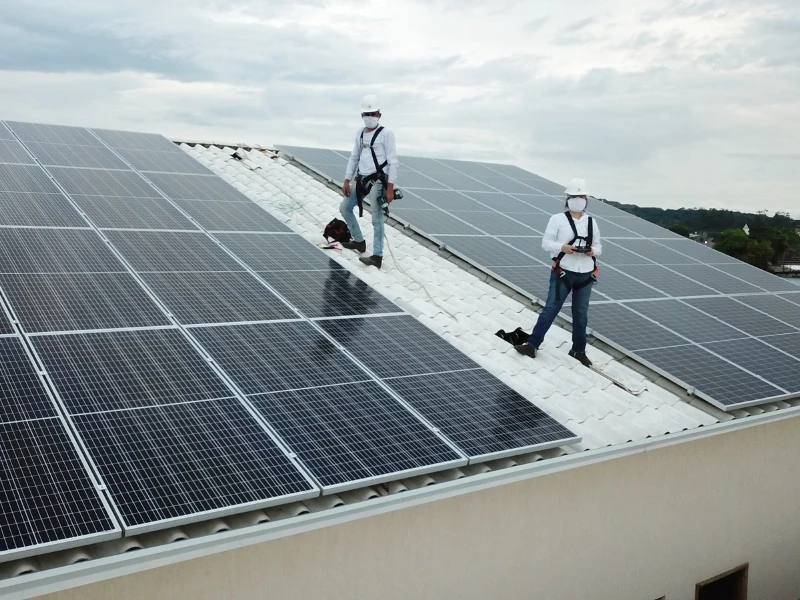
Alt text:
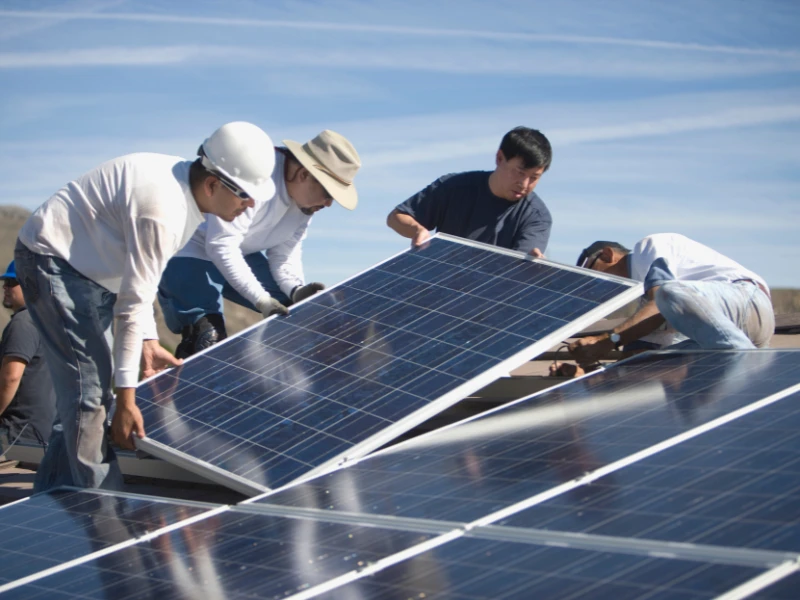
Technicians holding monocrystalline solar panel for commercial solar installation
Power and Efficiency Explained in Simple Words
Power means how much electricity a solar panel can make. Efficiency means how well a panel turns sunlight into electricity.
Why Efficiency Is Important for Businesses
Most commercial buildings have limited roof space. If a panel makes more power from the same space, the business can:
- Install fewer panels
- Save on mounting and wiring
- Get more electricity from the same roof
Monocrystalline Panel Efficiency
Monocrystalline panels are more efficient. They can produce more electricity even when the sunlight is weak.
This means:
- More power from fewer panels
- Better use of roof space
- Higher total energy over the years
Polycrystalline Panel Efficiency
Polycrystalline panels are less efficient. They need more panels to produce the same amount of electricity.
This means:
- More roof space is needed
- More mounting and wiring
- Less total energy if space is limited
Simple Example
Imagine two roofs of the same size.
- Roof A uses monocrystalline panels and gets 100 units of power
- Roof B uses polycrystalline panels and gets 80 units of power
Even though both roofs are the same size, the mono panels give more electricity.
Cost Differences and What Really Matters
When people compare solar panels, they often look at price first. But for commercial solar systems, the panel price is only one part of the total cost.
Panel Price
Polycrystalline panels are usually cheaper to buy than monocrystalline panels. This is because they are easier to make.
Monocrystalline panels cost a little more, but they also make more power.
The Hidden Costs in Commercial Solar
For large systems, most of the money is spent on things like:
- Mounting structures
- Wires and connectors
- Labor and installation
- Inverters and safety equipment
These costs are called balance of system costs.
Why Fewer Panels Can Save Money
Because monocrystalline panels make more power:
- You need fewer panels
- Installation is faster
- There is less wiring and metal work
This can reduce total project cost, even if each panel costs more.
Simple Way to Think About It
Buying cheap panels that need more space and work can cost more in the long run. Buying stronger panels that do more work can save money over time.
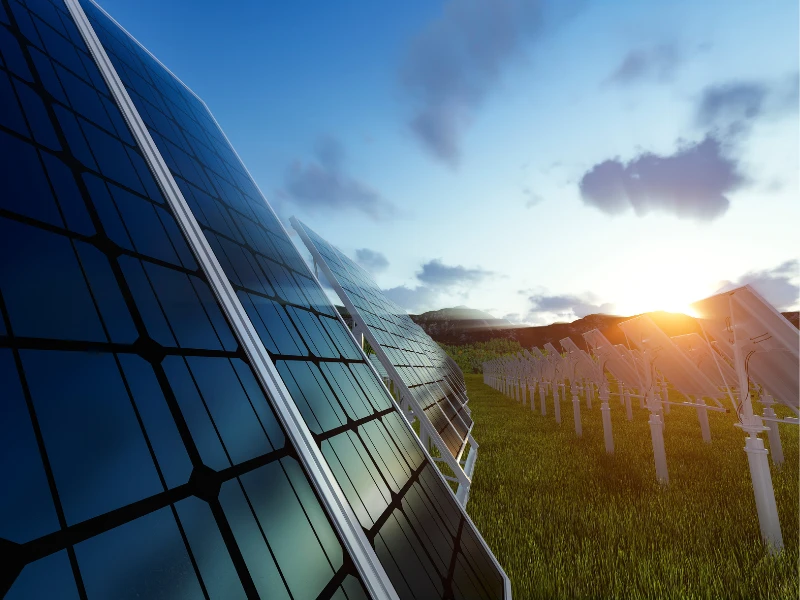
Alt text:
High efficiency monocrystalline solar panels used in commercial solar power systems
Space, Roof Size, and Commercial Buildings
For commercial solar projects, space is very important. Most businesses do not have unlimited roof or land area.
Roof Space Is Limited
Commercial buildings often have:
- Air conditioning units
- Water tanks
- Safety walkways
- Fire safety gaps
All of these reduce the space where panels can be installed.
Why Monocrystalline Panels Help
Since monocrystalline panels produce more power in less space, they are better when:
- The roof is small
- The building has many obstacles
- The goal is to get maximum energy
With mono panels, businesses can get more electricity without expanding the system.
Polycrystalline Panels Need More Space
Polycrystalline panels need more panels to make the same power. This can be a problem if the roof space is limited.
If the roof fills up before the power target is reached, the system produces less energy.
Ground-Mounted Systems
If a business has plenty of open land, space may not be a problem. In such cases, polycrystalline panels can still work, but they are used less today.
Performance in Hot Weather
Solar panels need sunlight, but too much heat can reduce their power. This is very important for commercial systems in hot regions.
How Heat Affects Solar Panels
When panels get hot, they produce less electricity. This power loss happens with all solar panels. The amount of power lost due to heat is called the temperature loss.
Monocrystalline Panels in Heat
Monocrystalline panels usually handle heat a little better. They lose less power when temperatures rise.
This helps businesses:
- Get more stable energy during hot days
- Improve yearly energy output
- Reduce losses in summer
Polycrystalline Panels in Heat
Polycrystalline panels tend to lose slightly more power in hot weather. Over time, this can reduce total energy production.
Why This Matters for Commercial Use
Commercial systems run for 25 years or more. Small losses each day can turn into large losses over time. In hot climates, choosing panels that handle heat better can make a big difference.
Lifespan, Quality, and Long-Term Use
Commercial solar systems are built to last a long time. Most systems are expected to work for 25 to 30 years.
Panel Lifespan
Both monocrystalline and polycrystalline panels can last many years. But the quality of the panel plays a big role. High-quality panels keep producing power for a longer time.
Power Loss Over Time
All solar panels slowly produce less power as they age. This is normal and expected.
Monocrystalline panels usually:
- Lose power more slowly
- Keep higher output for many years
Polycrystalline panels may lose power a bit faster.
Warranties Matter
Most commercial panels come with:
- A product warranty for defects
- A performance warranty for power output
Monocrystalline panels often come with stronger warranties because they are the main choice in the market today.
Why Long-Term Quality Is Important
A commercial solar system is a long-term investment. Panels that perform better over time help businesses save more money and avoid future problems.
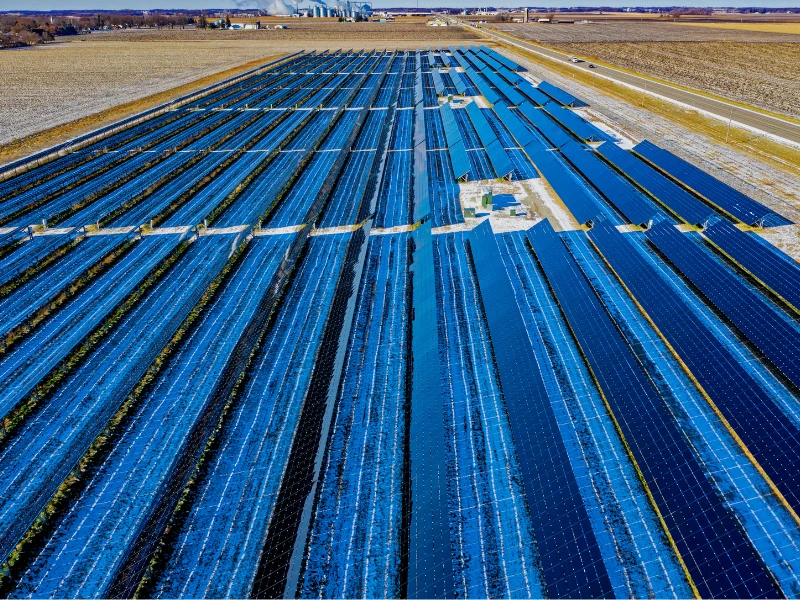
Alt text: Utility-scale solar farm highlighting expansion of the solar panel market
Availability, Supply, and Future Expansion
When a business installs solar panels, it may want to add more panels later. This makes availability very important.
Panel Availability Today
Monocrystalline panels are the most common panels sold today. Most solar factories focus only on making these panels.
Polycrystalline panels are now harder to find and are made in smaller numbers.
Why This Matters for Businesses
If a business wants to expand its solar system later:
- Matching the same panel type is easier with monocrystalline
- Electrical design stays simple
- System performance stays balanced
Finding matching polycrystalline panels in the future can be difficult.
Replacement and Repairs
If a panel gets damaged, it is easier to replace a monocrystalline panel because:
- Many brands make them
- Sizes and power levels are similar
- Supply is stable
Planning for the Future
Commercial solar is not just about today. Choosing panels that will be available for many years makes the system safer and more flexible.
Which Solar Panel Is Best for Commercial Use?
For most commercial projects today, monocrystalline solar panels are the better choice.
Why Monocrystalline Panels Are Best
They offer:
- More power from less space
- Better performance in heat
- Longer and stronger warranties
- Easier expansion in the future
These benefits make them suitable for:
- Factories
- Offices
- Shopping centers
- Warehouses
- Schools and hospitals
When Polycrystalline Panels May Work
Polycrystalline panels can still be used if:
- There is a lot of open land
- The price is much lower
- The project is small or temporary
Even then, many businesses still choose monocrystalline panels for better results.
Simple Final Advice
If roof space is limited and long-term savings matter, choose monocrystalline. If space is not a problem and budget is very tight, polycrystalline can work.
Quick Comparison for Easy Understanding
| Feature | Monocrystalline Panels | Polycrystalline Panels |
| Color | Dark black | Blue |
| Power output | Higher | Lower |
| Efficiency | More efficient | Less efficient |
| Space needed | Less space | More space |
| Heat performance | Better | Slightly weaker |
| Lifespan | Very long | Long |
| Market availability | Very high | Limited |
| Best for | Commercial rooftops | Large open areas |
Final Summary
Monocrystalline panels are the top choice for commercial solar today. They produce more energy, use space better, and are easier to manage in the long run.
Polycrystalline panels are becoming less common and are used mainly when space is not an issue and cost is the main concern.
Ready to choose the right solar panels for your commercial project?
Explore high-quality monocrystalline solar panels from trusted manufacturers and start saving with solar today.