Silver Price Surge Reshapes Solar Supply Chain
The solar photovoltaic (PV) industry is facing intense cost pressure as surging silver prices drive up manufacturing expenses, prompting leading companies to raise module prices and accelerate the adoption of silver-replacement technologies.
Raw Material Volatility Creates Diverging Trends
As of early January 2026, key PV material markets show mixed dynamics. Polysilicon prices remain firm, with leading producers holding quotes above CNY 60/kg, while N-type high-purity material trades around CNY 53,200/ton. Silver, however, has emerged as the standout performer, with Spot goods prices reaching USD 84 per ounce by late December—more than double year-ago levels. Copper has also climbed over 32% since the start of 2025.
In contrast, PV glass prices reflect oversupply in thinner formats, with 2.0mm coated glass falling to CNY 10.5–12.5/㎡ due to high inventory pressure. High-purity quartz sand maintains elevated levels, with imported material priced at CNY 76,000–78,000/ton.
Silver Paste Becomes Top Cost Driver
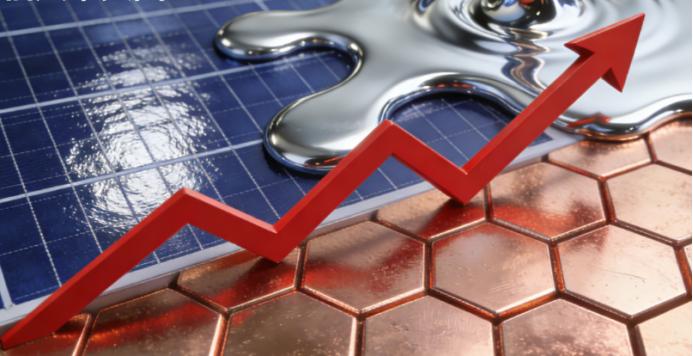
Silver paste has become the single largest cost component in PV module manufacturing. In 2024, the solar sector consumed 6,147 tons of silver, accounting for 29% of global industrial silver demand. The metal’s share of total module cost has risen from 12% at the end of 2024 to about 17% currently, surpassing polysilicon as the primary cost item.
In response, major module makers have begun adjusting prices. LONGi Green Energy has raised quotes by CNY 0.03–0.06/watt, followed by JA Solar and Trina Solar, the latter noting it had secured some lower-cost silver inventory earlier. Average module prices are now approaching the CNY 0.80/watt threshold, with some high-efficiency transactions already exceeding CNY 0.70/watt.
Demand Weakness Limits Price Pass-Through
Despite upward price adjustments, weak downstream demand is constraining manufacturers’ ability to fully pass through costs. Wafer producers remain cautious about high-priced polysilicon, and end-market appetite for further module price increases remains limited. Industry sources note that slowing demand growth in 2026 will require more than pricing adjustments to restore profitability, emphasizing the need for improved supply-demand balance.
Industry Pivots to Silver-Alternative Technologies
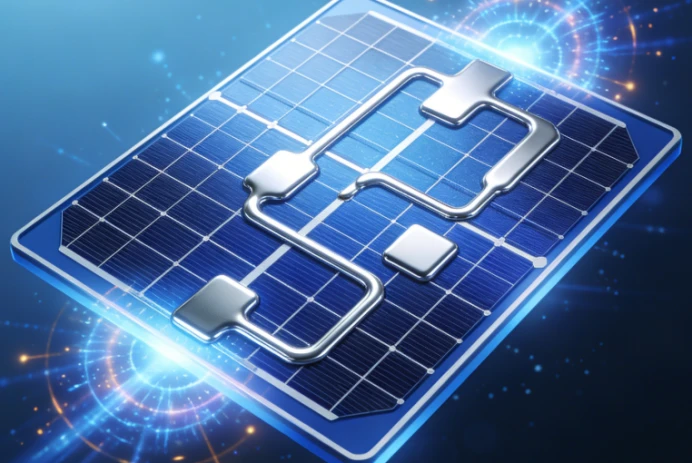
Beyond short-term pricing measures, the sector is increasingly focused on reducing or eliminating silver usage through alternative metallization solutions. Low-silver paste, silver-coated copper paste, and pure copper paste have emerged as key development pathways. Leading firms including LONGi, Jinko Solar, Trina, and Huasheng are actively advancing related R&D and pilot production.
Copper paste, in particular, offers the potential to reduce silver consumption in rear-side grid lines by over 40%, with theoretical costs below CNY 1,000/kg—far below current silver paste prices. Challenges remain in oxidation resistance, solderability, and long-term reliability, but several companies are moving closer to commercialization.
LONGi recently announced plans to adopt non-precious metal alternatives in its BC cell production, with mass production expected to begin in Q2 2026. Jinko Solar is pursuing both hedging strategies and silver-coated copper paste development, while Trina has reduced silver usage per wafer by 15% year-on-year and is validating alternative solutions.
Silver paste suppliers are also adapting. DKEM’s low-silver paste has entered volume production, and silver-coated copper pastes with 20–40% silver content are becoming standard in HJT cell production. Suzhou Good-ark’s subsidiary Jingyin has launched a low-temperature silver-coated copper paste with only 10% silver content, matching the performance of high-silver products.
Outlook: Short-Term Pressure, Long-Term Transformation
The surge in silver prices is forcing the PV industry to navigate both cost pressures and technological transformation. While near-term price hikes offer limited relief, the shift toward non-precious metal alternatives represents a fundamental long-term strategy. Companies that can overcome technical barriers and achieve scale in silver replacement may gain a competitive edge in the evolving market landscape.