Solar Panel Series vs Parallel: How to Choose the Right Solar Panel Configuration
Many people feel confused when they hear the words solar panel series vs parallel. These two methods change how your solar system works, how safe it is, and how much power it makes.
If you choose the wrong setup, your system may not work well. It could lose power, waste energy, or even damage your equipment. That is why understanding solar panel series vs parallel is so important.
In this guide, you will learn what solar panels series and solar panel parallel mean. You will also learn how to choose the right option for your solar system.
What Does Solar Panel Series vs Parallel Mean?
Before choosing the right setup, you need to understand what solar panel series vs parallel really means. These words explain how solar panels are connected to each other.
What Is Solar Panels Series Wiring?
Solar panels series means connecting panels in a line. The positive end of one panel connects to the negative end of the next panel. This type of connection increases voltage.
When solar panels series are used, the power moves through each panel one by one. The voltage adds up, but the current stays the same. This setup is very common in home solar systems that use a string inverter.
Solar panels series work best when all panels get the same amount of sunlight. If one panel gets shade, it can reduce the power of the whole string.
What Is Solar Panel Parallel Wiring?
Solar panel parallel means connecting all positive ends together and all negative ends together. This setup increases current instead of voltage.
In a solar panel parallel system, each panel works more on its own. If one panel has shade, the other panels can still produce power. This makes solar panel parallel useful in places with partial shade.
The voltage stays the same as one panel, but the current increases as more panels are added. Because of higher current, thicker wires are often needed.
Solar Panel Series vs Parallel – Key Electrical Differences
To choose the right setup, you need to understand how solar panel series vs parallel changes electricity. The main differences are voltage, current, power flow, and safety.
Voltage and Current Differences
In solar panels series, voltage increases when you add more panels. For example, if one panel makes 40 volts, two solar panels series can make 80 volts. The current stays the same.
In solar panel parallel wiring, voltage stays the same as one panel. What increases is the current. If one panel makes 10 amps, two panels in solar panel parallel can make 20 amps.
This is one of the biggest differences in solar panel series vs parallel.
Impact on Power Output and Efficiency
Both setups can produce the same total power if designed correctly. Solar panels series send power at higher voltage and lower current. This helps reduce power loss in long wires.
Solar panel parallel systems send power at lower voltage and higher current. This can cause more heat in wires if they are not thick enough.
Efficiency depends on good design, not just the wiring method.
Safety and System Limits
Solar panels series can reach very high voltage. High voltage can be dangerous if limits are ignored. Equipment must be rated for the voltage.
Solar panel parallel systems have lower voltage but higher current. High current can overheat wires if not protected.
Pros and Cons of Solar Panels Series Wiring
Solar panels series wiring is very common in home and business solar systems. It works well in many situations, but it is not perfect. Let’s look at the good and bad sides.
Advantages of Solar Panels Series
One big advantage of solar panels series is higher voltage. Higher voltage allows electricity to move easily through long wires. This helps reduce power loss.
Solar panels series also use lower current. Lower current means thinner wires can be used. This can lower installation cost.
Most string inverters work best with solar panels series. This makes series wiring a popular choice for grid-tied solar systems.
Disadvantages of Solar Panels Series
The biggest problem with solar panels series is shading. If one panel is shaded or dirty, it can lower the power of the whole string.
Solar panels series can also create very high voltage. In cold weather, voltage can rise even more. If not planned correctly, this can damage the inverter.
Pros and Cons of Solar Panel Parallel Wiring
Solar panel parallel wiring is another common way to connect solar panels. It is often used in smaller or off-grid systems. Like series wiring, it has both benefits and limits.
Advantages of Solar Panel Parallel
One main advantage of solar panel parallel is better performance in shade. If one panel gets shade, the other panels can still work well.
Solar panel parallel systems have lower voltage. Lower voltage can be safer and easier to manage, especially for beginners.
Each panel works more independently in solar panel parallel wiring. This can make the system more stable in some situations.
Disadvantages of Solar Panel Parallel
The biggest downside of solar panel parallel is high current. As more panels are added, the current increases.
High current needs thicker wires. This can increase cost and make installation harder.
Solar panel parallel systems may also need extra fuses or protection equipment to stay safe.
Solar Panel Series vs Parallel – Which Configuration Is Better for You?
There is no single best choice for everyone. The right option depends on your solar system, location, and equipment. Understanding solar panel series vs parallel helps you choose wisely.
When Solar Panels Series Is the Best Choice
Solar panels series work best in grid-tied solar systems. Most string inverters need higher voltage to work properly.
If your panels get full sunlight most of the day, solar panels series are a good option. They also work well when panels are placed far from the inverter because higher voltage reduces power loss.
Solar panels series are often used on large rooftops with clear sun exposure.
When Solar Panel Parallel Works Better
Solar panel parallel is a better choice for off-grid systems and battery setups. Many charge controllers work better with lower voltage.
If your roof has shade from trees or buildings, solar panel parallel can help reduce power loss. Each panel can still work even if one panel is shaded.
Solar panel parallel is also helpful for small systems where safety and flexibility are important.
Series, Parallel, or Both? Understanding Hybrid Solar Configurations
In many real solar systems, panels are not connected using only one method. Instead, installers use both solar panels series and solar panel parallel together.
This setup is called a series-parallel system.
First, panels are connected in solar panels series to increase voltage. Then, these series strings are connected using solar panel parallel to increase current. This allows the system to meet the inverter or controller requirements.
Using both methods gives more flexibility. It helps keep voltage at the right level while still allowing more power to be added.
Hybrid setups are very common in home solar systems. They balance the benefits of solar panel series vs parallel and reduce the downsides of using only one method.
Alt text:
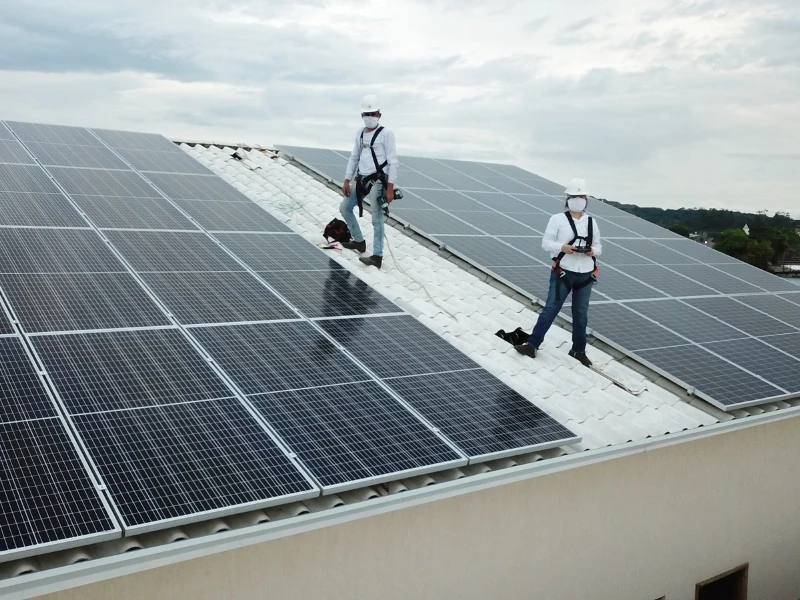
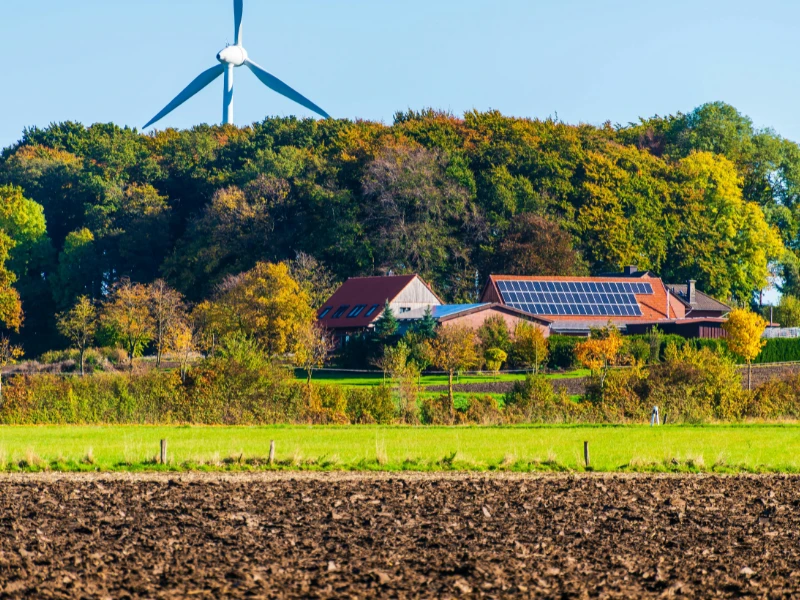
Home using solar panels series with renewable energy
Common Mistakes When Choosing Solar Panel Series vs Parallel
Many solar problems come from simple mistakes. Knowing these mistakes can help you avoid system failure and power loss.
One common mistake is ignoring voltage limits. When using solar panels series, voltage can become too high, especially in cold weather. This can damage the inverter.
Another mistake is using the wrong wire size. Solar panel parallel systems create high current. Thin wires can overheat and waste energy.
Some people also forget about shade. In solar panels series, even one shaded panel can reduce power for the whole system.
Another mistake is thinking solar panel series vs parallel does not matter. Every system is different. The right choice depends on equipment and location.
Frequently Asked Questions About Solar Panel Series vs Parallel
Is solar panel series vs parallel more efficient?
Both options can be efficient if designed correctly. Solar panels series reduce power loss in long wires because they use higher voltage. Solar panel parallel can perform better in shaded areas. Efficiency depends on your system design, not just the wiring type.
Can I mix solar panels series and parallel?
Yes, you can mix both. Many systems use solar panels series first and then connect those strings using solar panel parallel. This is a common and safe setup when done correctly.
Is solar panel parallel safer than series?
Solar panel parallel has lower voltage, which can feel safer. However, it has higher current. Solar panels series have higher voltage but lower current. Both can be safe if installed properly.
Do solar panels series produce more power?
Solar panels series do not create more power by themselves. They change how power is delivered. Total power depends on the number of panels and sunlight.
Final Thoughts on Solar Panel Series vs Parallel
Choosing between solar panel series vs parallel is an important step when building a solar system. Each option works in a different way and fits different needs.
The best choice depends on your panels, inverter, location, and sunlight. When you understand solar panel series vs parallel, you can avoid mistakes and get the most power from your solar system.
Ready to build a solar system that works the right way?
Visit JoinSunNow today to explore solar panels, inverters, and expert solutions made for your needs.