The Abu Dhabi clean energy market has made remarkable progress over the past five years. According to Emirates Water and Electricity Company (EWEC), clean energy generation in Abu Dhabi increased by more than 1,000% between 2020 and 2025.
Electricity generated from nuclear, solar, and wind sources rose from around 4,100 GWh in 2020 to more than 49,300 GWh in 2025. Clean energy now accounts for almost 46% of Abu Dhabi’s total electricity generation, compared with less than 5% in 2020.
These numbers caught my attention, especially because we work with solar customers across the Middle East.
For those of us in the solar industry, this is not just another energy transition headline. It shows how quickly the UAE is building its clean energy infrastructure and how the market is moving from individual solar projects towards a much larger energy system.
So, what is behind this growth, and what does it mean for solar buyers and project developers?
1. How Did Abu Dhabi Increase Clean Energy Generation by Over 1,000%?
There is no single reason behind Abu Dhabi’s rapid progress. It is the result of several large-scale energy projects coming together.
One major contributor is the Barakah Nuclear Energy Plant, the first nuclear power plant in the Arab world.
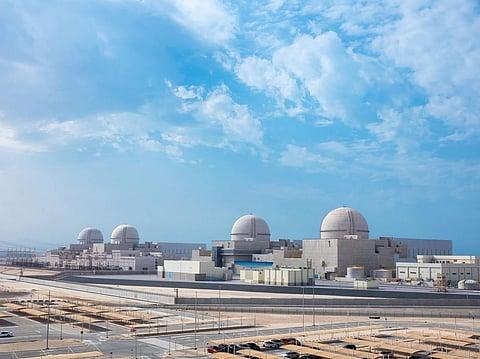
Its four reactors were brought online progressively between 2020 and 2024, providing a stable source of low-carbon electricity.
Solar power has also played a major role.
Projects such as Noor Abu Dhabi and Al Dhafra Solar PV have significantly increased the emirate’s solar generation capacity.
Wind energy has added another source to the electricity mix, making the overall system more diversified.
It is worth noting that the 1,000% growth figure covers nuclear, solar, and wind generation together. It should not be interpreted as a 1,000% increase in solar power alone.
What matters here is the bigger picture: Abu Dhabi is building an electricity system that relies increasingly on different clean energy sources rather than depending mainly on conventional power generation.
2. Large-Scale Solar Projects Are Changing the UAE Energy Market
If you follow the UAE solar market, you have probably heard of Al Dhafra Solar PV.
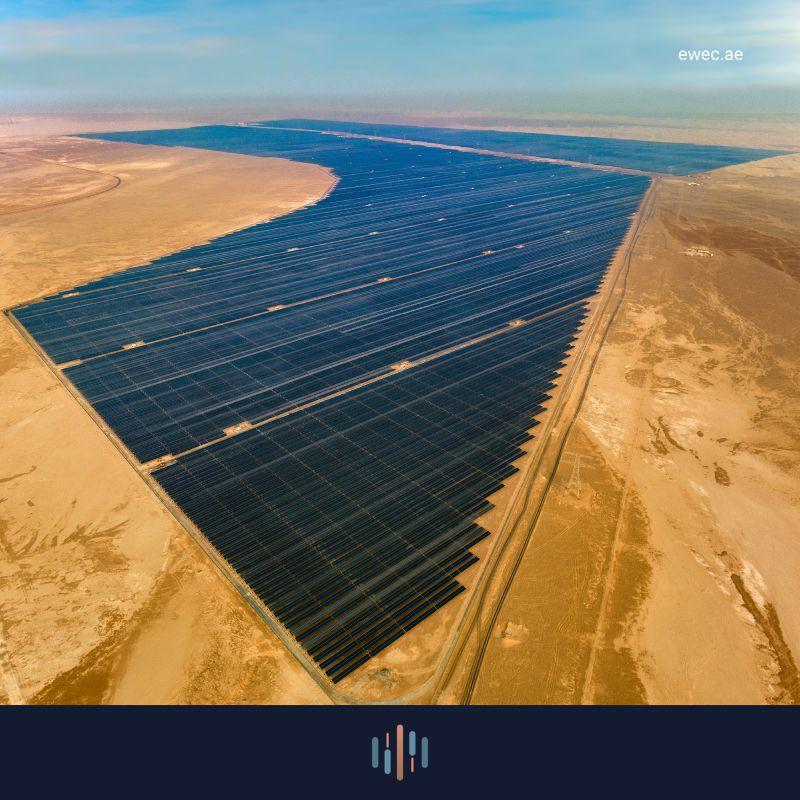
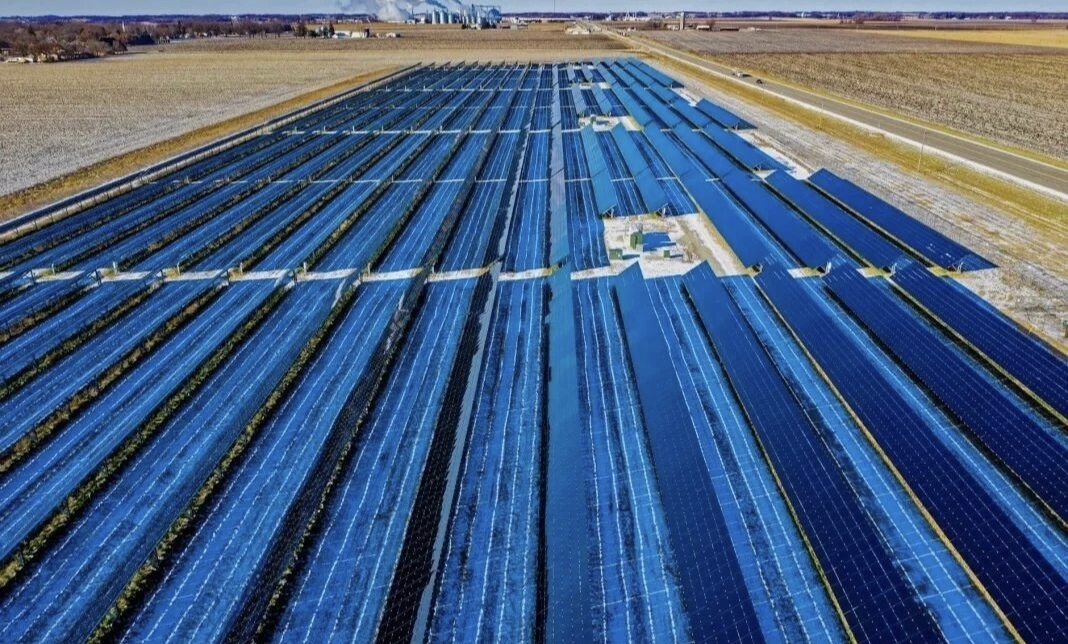
With approximately 2.1 GWp of installed DC capacity, Al Dhafra is one of the world’s largest single-site solar PV projects.
The project uses around four million solar modules and is designed to generate approximately 4,700 GWh of electricity annually, enough to meet the electricity needs of around 160,000 homes.
Another important project is Noor Abu Dhabi, which has also played a major role in expanding the country’s solar generation capacity.
These projects demonstrate something important: the UAE is no longer treating solar energy as a small supplementary power source. Utility-scale solar is becoming an important part of its electricity infrastructure.
For solar module suppliers, this also means that project requirements are becoming more demanding.
Large-scale developers need to consider more than module wattage. They also look at:
- Long-term module reliability
- Temperature coefficient and performance in hot climates
- Power degradation over time
- Bifacial performance and energy yield
- Product certification and traceability
- Manufacturing capacity and delivery reliability
For a project involving hundreds of thousands or even millions of modules, a small difference in product performance or delivery planning can have a significant impact on the overall project.
3. Solar Plus Battery Storage: The Next Step for the UAE
One development I find particularly interesting is Abu Dhabi’s move towards combining large-scale solar generation with battery energy storage.
Solar panels generate electricity during daylight hours, but electricity demand does not stop when the sun goes down.
This is where battery energy storage systems (BESS) become important.
The project is designed to combine:
A good example is the UAE’s large-scale Round-the-Clock (RTC) renewable energy project, developed by Masdar and EWEC.
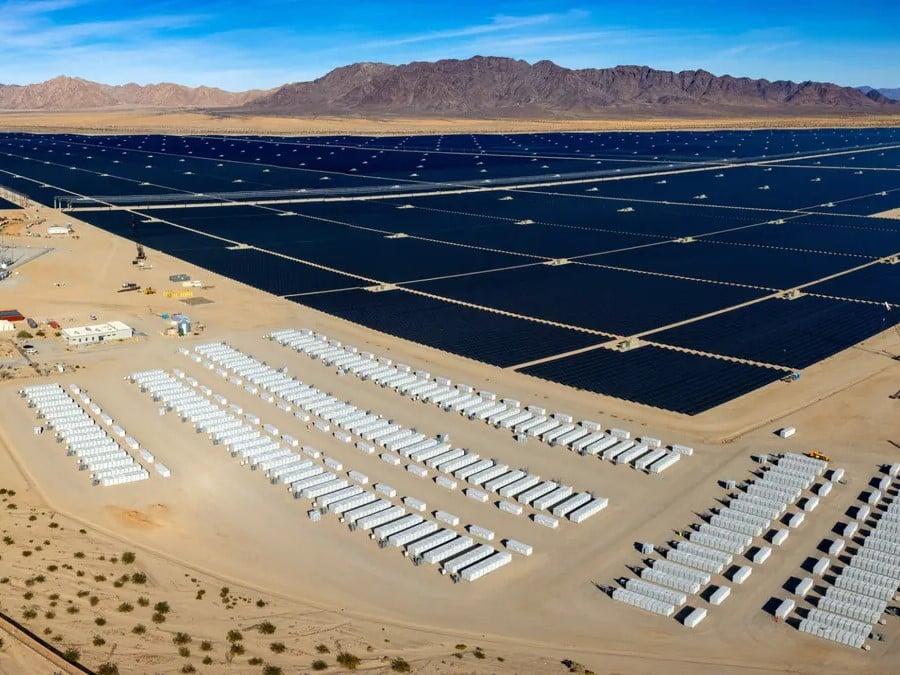
- 5.2 GW of solar PV capacity
- 19 GWh of battery energy storage
The goal is to deliver reliable renewable electricity around the clock, rather than relying only on the hours when solar generation is available.
In May 2026, Sungrow announced an agreement to supply 7.5 GWh of PowerTitan 3.0 energy storage systems and 2.6 GW of PV inverter solutions for the project.
This is a significant example of how solar and storage technologies are being integrated at utility scale.
For the solar industry, the message is clear: future energy projects will increasingly require more than photovoltaic modules alone.
Solar generation, battery storage, inverters, grid integration, and energy management will all need to work together.
For project developers and EPC contractors, understanding the complete system is becoming just as important as selecting the right solar panels.
4. What Does This Mean for Solar Module Buyers in the Middle East?
As a JA Solar distributor, I see this development from a slightly different perspective.
When customers contact us about solar modules, the first questions are usually about price, wattage, availability, and delivery time.
These are all important, of course.
But as the Middle East solar market continues to grow, I believe buyers also need to pay more attention to long-term project performance.
Here are three things worth considering.
High-Temperature Performance
The UAE and other Middle Eastern countries experience extremely high temperatures, especially during summer.
Solar modules operate under outdoor conditions that can be quite different from standard laboratory testing environments.
Temperature coefficient is therefore an important parameter when comparing solar modules.
A better temperature coefficient generally means less power loss as module temperature increases.
For large solar projects in hot regions, this can influence long-term energy production and project economics.
Module Reliability and Long-Term Energy Yield
A solar project is a long-term investment.
Choosing a module based only on its initial power rating may not give buyers the complete picture.
Degradation performance, product quality, mechanical reliability, and warranty conditions all deserve attention.
For project owners, what matters in the end is not simply how much power a module produces on the first day, but how reliably it performs over its operating life.
Supply Stability and Delivery Planning
Large-scale projects require large quantities of modules, often delivered according to strict construction schedules.
A competitive price is useful, but it means little if the supplier cannot meet the agreed delivery schedule.
Buyers should also consider production capacity, inventory availability, shipping arrangements, and product traceability when evaluating a solar module supplier.
In a market where project sizes are growing, a reliable supply chain can make a real difference.
5. Why JA Solar Is Worth Considering for Middle East Solar Projects
At JA Solar, the DeepBlue series provides N-type TOPCon solar module solutions for different project applications.
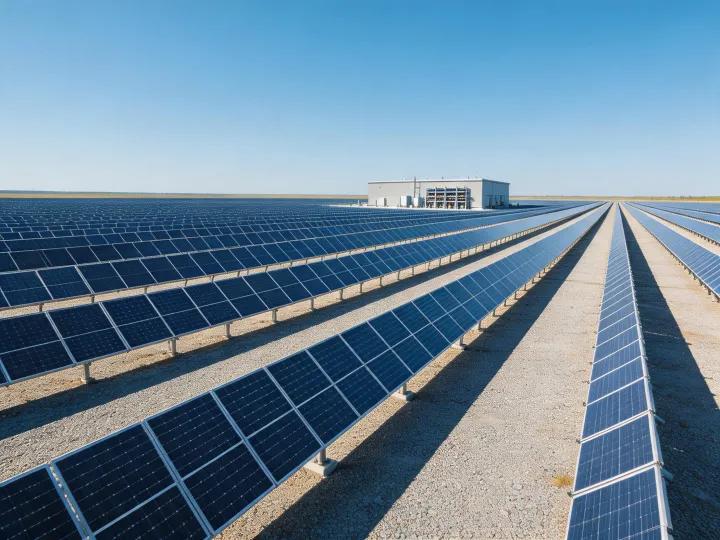
For buyers in the Middle East, I think several technical factors deserve attention when evaluating these modules.
High Power Output
High-power modules can help reduce the number of modules, mounting structures, and related installation work required for a given DC capacity, depending on the project design.
Bifacial Technology
For suitable ground-mounted projects, bifacial modules can capture additional light reflected from the ground and surrounding surfaces. The actual gain depends on ground reflectivity, mounting height, row spacing, and site conditions.
Performance in Hot and Dusty Environments
Temperature performance and resistance to environmental stress are important considerations for projects in desert regions. Site-specific factors such as dust accumulation, cleaning frequency, and operating temperature should be included in the project assessment.
Long-Term Product Support
For large-scale buyers, product documentation, warranty conditions, manufacturing traceability, and consistent supply are all part of the purchasing decision.
Of course, no single module is suitable for every project. The best choice depends on the project’s technical design, location, budget, and expected energy yield.
As a distributor, our job is not simply to offer a module with the highest wattage. It is to help customers find a product that makes sense for their actual project requirements.
6. What Is Next for Abu Dhabi’s Clean Energy Market?
Abu Dhabi’s progress is closely connected to its Clean Energy Strategic Target 2035, which aims for clean energy sources to account for 60% of electricity production by 2035.
The UAE’s wider Net Zero by 2050 strategy also provides a long-term direction for investment in cleaner energy infrastructure.
Looking at the developments over the past five years, there are several trends worth watching:
- More utility-scale solar PV projects
- Greater integration of battery energy storage
- Increased demand for grid flexibility and reliable electricity supply
- Continued development of solar and wind energy
- More attention to project efficiency and long-term operating costs
I do not think the next stage of the UAE solar market will be measured only by how many gigawatts of solar capacity are installed.
The ability to deliver reliable electricity, manage intermittency, and maintain competitive project economics will become increasingly important.
For solar module manufacturers, distributors, EPC contractors, and project developers, this creates both opportunities and higher expectations.
Final Thoughts
The growth of clean energy generation in Abu Dhabi over the past five years is impressive, but what interests me more is what comes next.
The market is moving beyond simply installing more solar panels. It is increasingly about building a complete energy system where solar, storage, inverters, and grid infrastructure work together.
For us as a JA Solar distributor, this is a market worth following closely.
We believe that reliable products, stable supply, and a good understanding of local project conditions will remain important as the Middle East solar market continues to develop.
If you are looking for JA Solar modules for projects in the UAE or other Middle Eastern countries, feel free to contact our team. We would be happy to discuss suitable module options, availability, and delivery arrangements based on your project requirements.