1. Why Is Iraq Making Solar Imports Duty-Free?
Electricity supply has been a long-standing challenge in Iraq.
For many households and businesses, relying entirely on the national grid is not always enough. Diesel generators have become a common backup solution, but fuel expenses, maintenance, and operating costs can put considerable pressure on users.
Solar energy offers another option.
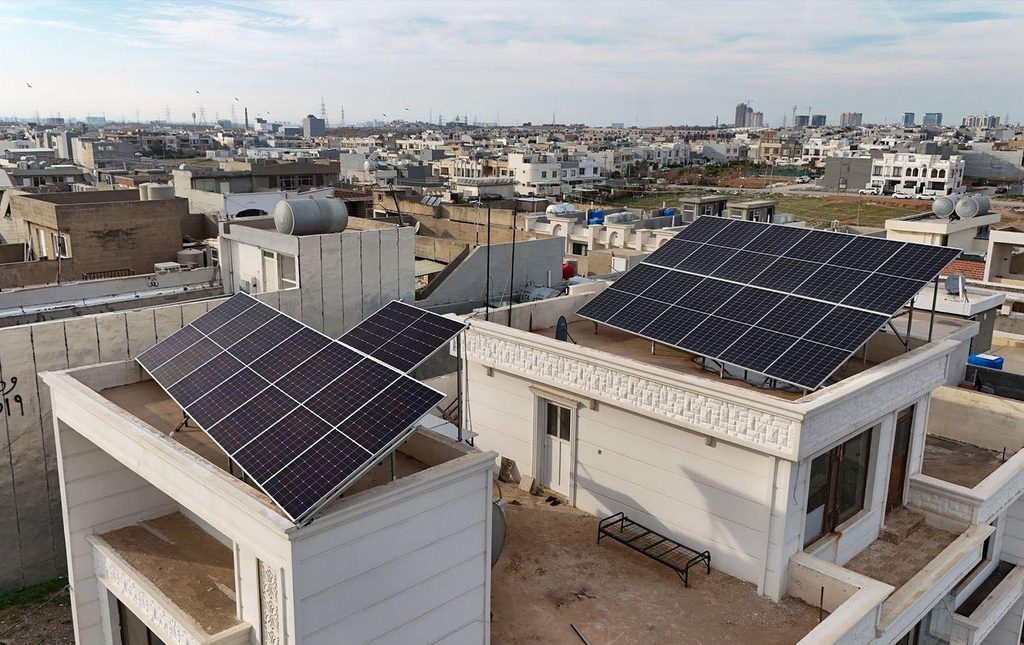
Iraq has strong solar resources, and more households and businesses are looking at solar PV systems as a way to improve their energy independence.
However, the initial investment has always been one of the barriers to wider adoption.
Before this policy change, solar equipment was subject to a 5% customs duty following Iraq’s tariff adjustment earlier in 2026. The government’s latest decision removes customs duties on imported solar energy systems.
The aim is straightforward: make solar equipment more affordable and encourage more people to consider solar power.
For the Iraqi solar market, this could be an important step forward.
2. What Does Zero Import Duty Mean for Solar Buyers?
The most direct benefit is a potential reduction in equipment import costs.
A solar energy system involves several key components:
- Solar panels
- Solar inverters
- Lithium battery storage systems
- Electrical cables and related equipment
Reducing import costs can improve the overall economics of solar projects, especially for residential and commercial applications where upfront investment matters.
For importers and local distributors, lower customs costs may also create more room for competitive pricing.
But there is something worth keeping in mind.
Zero customs duty does not automatically mean that the final price for customers will fall by the same amount.
Freight, insurance, customs clearance charges, local transportation, installation, and distribution costs still need to be considered.
There is also an important practical detail: the published cabinet decision refers broadly to imported solar energy systems. Importers should confirm the applicable HS codes, product coverage, and customs implementation requirements before arranging shipments.
In other words, the policy creates an opportunity, but the actual savings will depend on how the entire supply chain responds.
3. Why Iraq’s Solar Market Deserves More Attention
Iraq is an interesting market for solar energy, not simply because of its sunshine, but because of its electricity demand.
For households, solar systems combined with battery storage can help provide a more reliable power supply.
For commercial and industrial users, solar energy may help reduce dependence on diesel generators and manage electricity expenses.
This creates several potential market segments:
Residential Solar Systems
Homeowners looking for more stable electricity supplies may become an important source of demand, particularly for solar systems combined with battery storage.
Commercial and Industrial Solar Projects
Factories, warehouses, shopping centers, and other businesses may consider solar installations to reduce operating costs and improve energy security.
Off-Grid and Hybrid Solar Systems
In areas where grid supply is limited or unreliable, off-grid and hybrid solutions could become increasingly relevant.
From a distributor’s perspective, these different applications also mean that customers may have very different requirements.
Some are mainly concerned about the initial purchase price. Others care more about system reliability, battery compatibility, product warranties, and long-term performance.
Understanding these differences is important when selecting the right solar products.
4. Another Development to Watch: Iraq’s Solar Grid Connection Rules
There is another policy development that deserves attention.
Iraq’s Ministry of Electricity has prepared a draft regulation containing 40 articles to govern the connection of solar energy systems to the national electricity grid.
The proposed framework includes mechanisms for grid connection and electricity exchange between households and the national network, with smart meters playing an important role.
If approved, it could allow consumers to send excess electricity back to the grid and receive corresponding benefits through the electricity billing system.
However, the draft has been referred to the State Council for legal review and still requires further approval.
Why does this matter?
At the moment, many customers may look at solar mainly as a way to reduce their dependence on the national grid.
A clear net-metering or electricity exchange framework could make the investment more attractive by giving users another way to benefit from the electricity their systems generate.
Combined with lower import costs, this could support further development of Iraq’s residential and distributed solar market.
It is a development worth following over the coming months.
5. What Should Solar Importers and Project Buyers Look for?
Lower import costs are certainly welcome, but price should not be the only consideration when purchasing solar equipment.
From our experience working with Middle East customers, several factors deserve attention.
1. Module Performance in High Temperatures
High temperatures are a reality in Iraq and many other Middle Eastern countries.
Solar panels with a better temperature coefficient can help maintain power output when module temperatures rise.
2. Long-Term Product Reliability
A solar project is expected to operate for many years. Product quality, degradation performance, and warranty support should all be considered before making a purchasing decision.
3. Supplier and Factory Stability
For large projects, consistent supply is just as important as competitive pricing.
Buyers should pay attention to production capacity, delivery schedules, product traceability, and the supplier’s ability to support future orders.
4. Logistics and Delivery Planning
Import costs are only one part of the equation. Freight arrangements, shipping schedules, customs clearance, and local delivery can all affect the final project cost.
A competitive quotation should always consider the complete delivery process.
6. Why We Are Paying Attention to JA Solar in This Market
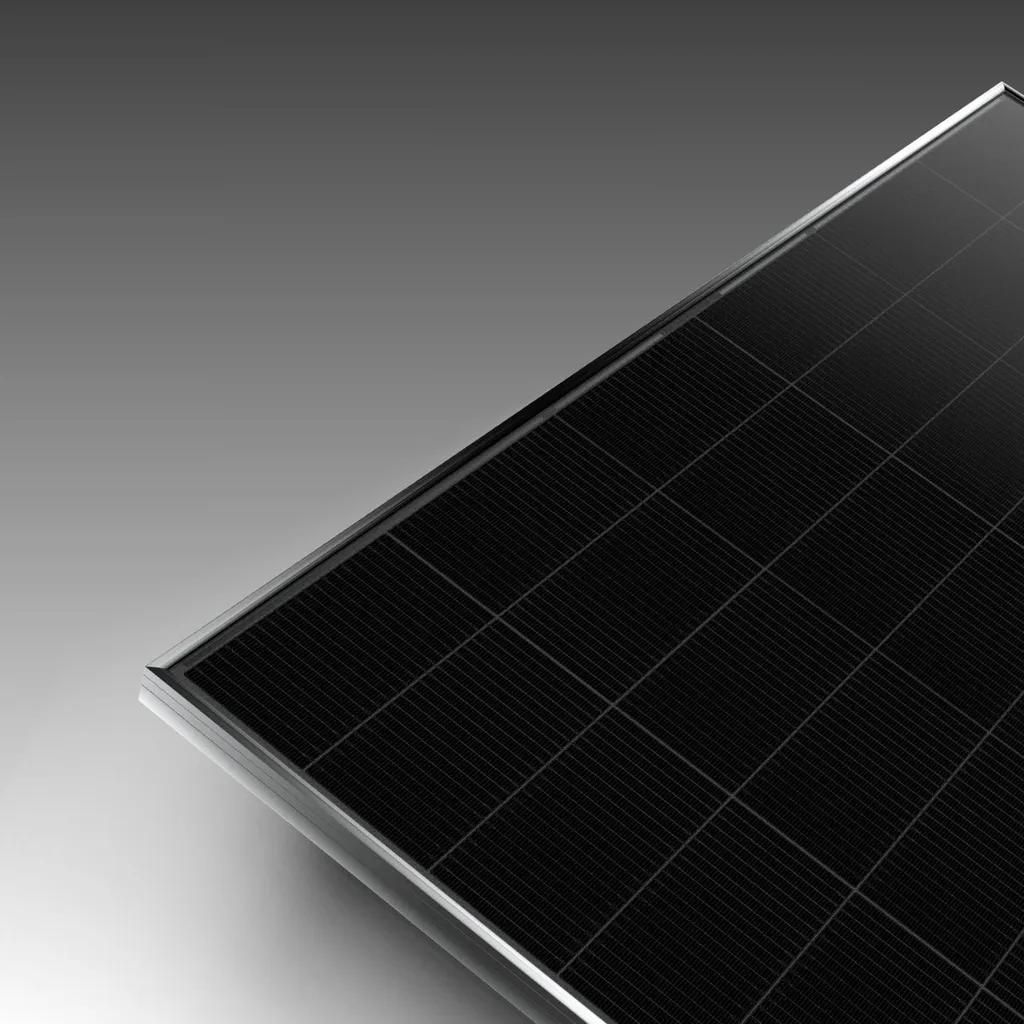
As a JA Solar distributor, we follow developments in the Middle East not only from a sales perspective, but also from the point of view of what customers actually need.
For markets such as Iraq, solar modules need to deliver more than attractive figures on a datasheet.
High-temperature performance, reliable power generation, long-term durability, and consistent product supply are all important considerations.
JA Solar’s DeepBlue series offers N-type TOPCon module solutions for different project requirements.
For customers in hot and dusty environments, it is also worth looking beyond initial module power. Temperature performance, anti-soiling characteristics, and long-term energy yield can all influence the actual value of a solar installation.
Of course, the right module selection depends on the project design, installation conditions, budget, and technical requirements.
We believe that helping customers choose suitable products is more important than simply recommending the highest-wattage module.
For solar importers, EPC contractors, and project developers in Iraq and other Middle Eastern markets, having a reliable supply partner can make a real difference when moving from quotation to actual project delivery.
7. Is This a New Opportunity for the Middle East Solar Market?
Iraq’s zero-tariff decision is another positive signal for the regional solar industry.
Across the Middle East, solar development is taking different forms.
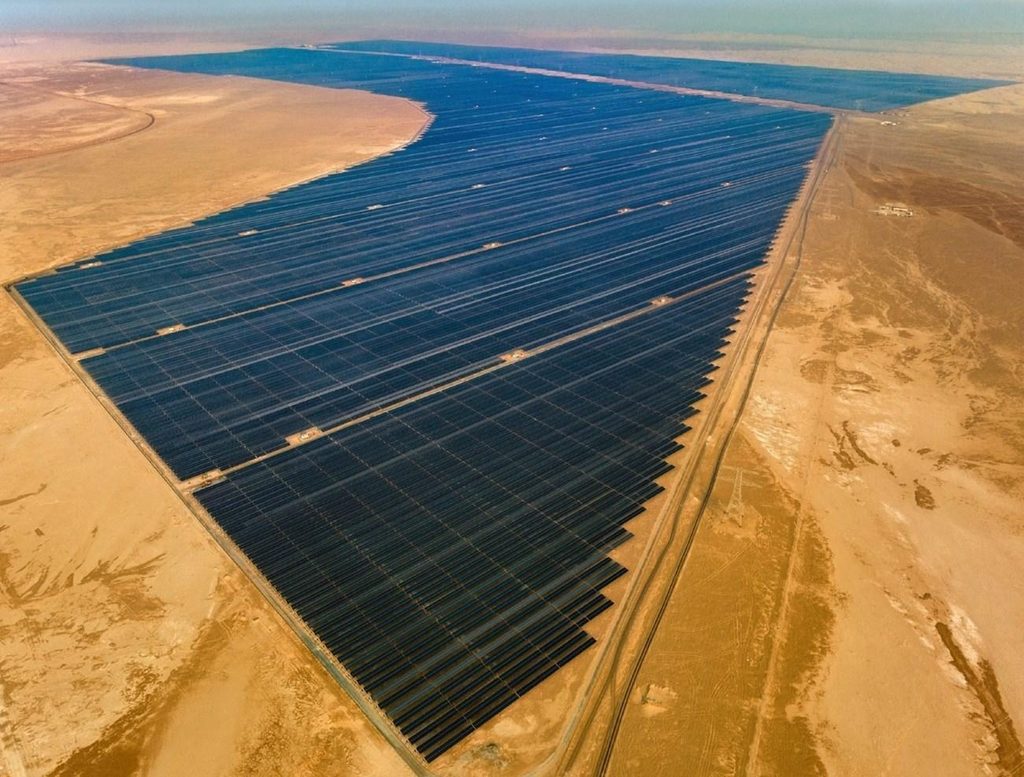
Saudi Arabia and the UAE continue to attract attention through large-scale solar projects, while Iraq has the potential to see further growth in residential, commercial, and hybrid solar applications.
These markets are different, but they share one important factor: the need for reliable and cost-effective energy solutions.
For Iraq, removing import duties may help reduce the initial cost of solar equipment. If the proposed grid connection rules are also approved, the market could become more attractive to households, businesses, distributors, and project developers.
That said, policy changes do not turn into market demand overnight. Implementation, financing, logistics, and local distribution will all influence how quickly the market develops.
From our perspective, this is not a market to judge by one policy announcement. It is a market worth following through its next stages of development.
The real opportunity is not simply importing solar panels at a lower cost. It is helping customers build solar projects that make economic sense and deliver reliable power over the long term.
If you are sourcing JA Solar modules for projects in Iraq or other Middle Eastern countries, feel free to contact our team. We are happy to discuss product options, availability, and shipping arrangements based on your project requirements.