Not Every Project Needs More. Sometimes, It Needs Something Simpler.
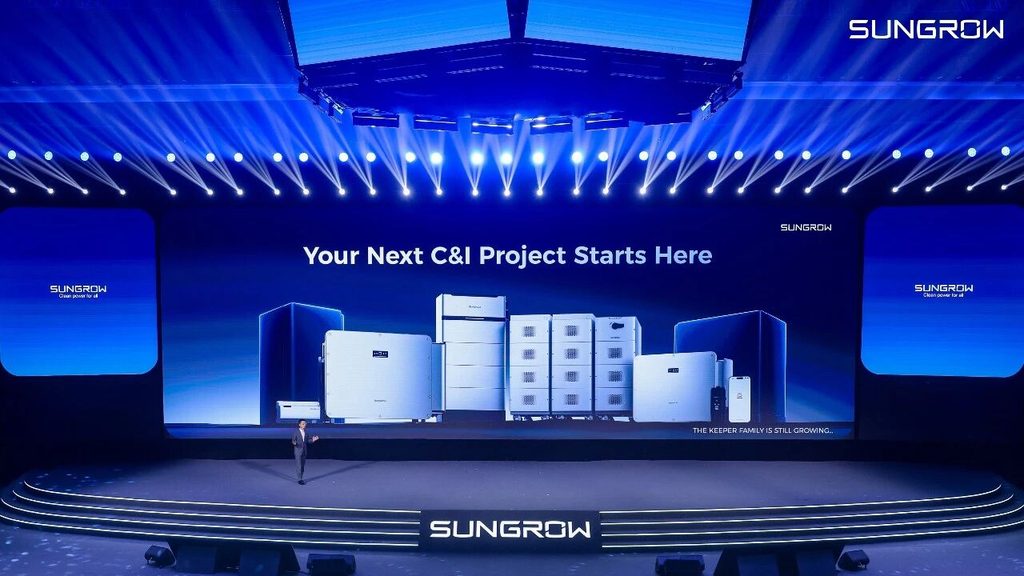
On November 11, Sungrow introduced its new commercial and industrial (C&I) energy storage product, PowerKeeper Lite, at its channel partner conference.
The launch raised an interesting question: Sungrow already has the PowerKeeper modular energy storage system. So why introduce a Lite version?
From a distributor’s perspective, I think the answer comes down to one thing: different projects have different needs.
For a large outdoor energy storage installation, high protection levels and advanced system capabilities may be essential. But for smaller commercial projects, such as factories, shops, office buildings, and indoor electrical rooms, customers may care more about installation costs, available space, and ease of maintenance.
This is where PowerKeeper Lite comes in.
It is not simply about removing features. It is about making the system better suited to a different range of applications.
1. IP20: Designed for Indoor Applications
One of the most noticeable differences between PowerKeeper and PowerKeeper Lite is the protection rating.
The original PowerKeeper offers IP66 protection, making it suitable for demanding outdoor environments. PowerKeeper Lite adopts an IP20 design, targeting indoor installation scenarios.
At first, this might look like a downgrade. But consider where many small and medium-sized C&I energy storage systems are installed.
Electrical rooms, basements, corridors, and indoor utility spaces are common locations. In these environments, IP66 protection may not always be necessary.
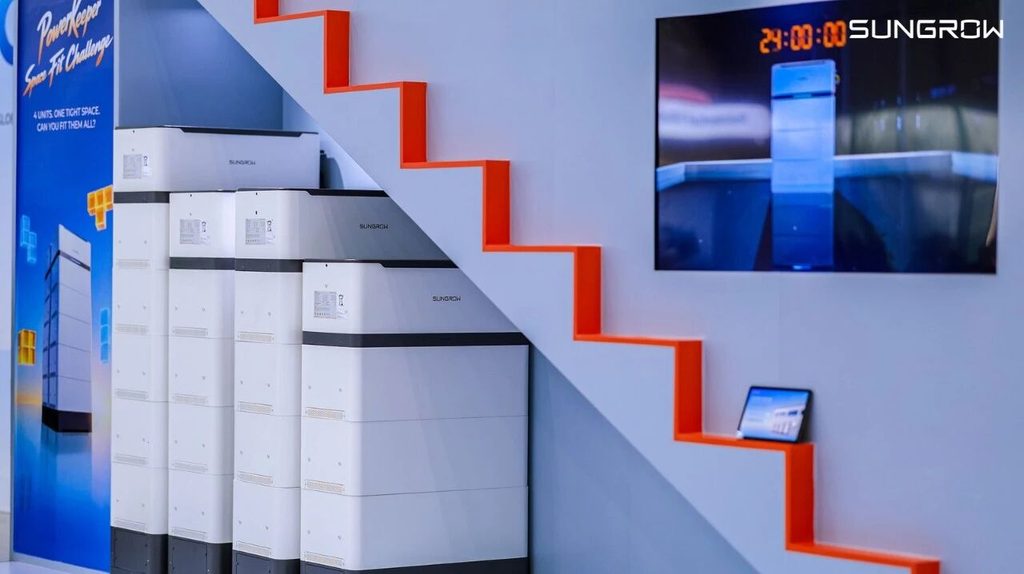
Choosing an indoor-oriented design can help reduce equipment costs while making better use of existing building space.
For installers and project developers, this means having another option instead of paying for protection features that a particular project may not need.
Of course, IP20 means the installation environment must be properly controlled. It is not a replacement for IP66 in exposed outdoor applications.
2. Easier Installation and Maintenance
Installation is often one of the hidden costs of a C&I energy storage project.
A system may look attractive on paper, but if it requires too much installation space, heavy lifting equipment, or complicated maintenance procedures, the actual project cost can increase quickly.
PowerKeeper Lite addresses this with a sliding installation design.
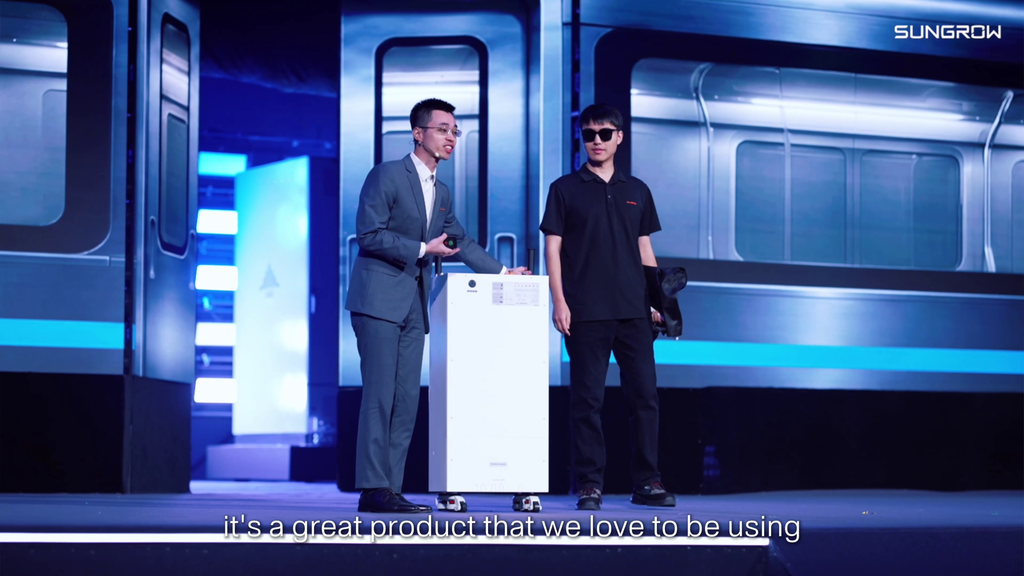
Its battery modules come with rollers and locking mechanisms. Instead of requiring installers to work around every module, they can slide the battery into position from the front.
This is particularly useful in narrow electrical rooms where there is limited space between the battery system and the wall.
The same design also makes maintenance easier. If one battery module needs inspection or replacement, the installer can unlock the rollers and pull the unit out without requiring excessive maintenance space.
For projects where installation conditions are less than ideal, these details can make a real difference.
3. Flexible Expansion: Vertical or Horizontal
Commercial energy storage demand does not always remain the same.
Some businesses start with a relatively small system and expand capacity later as electricity consumption increases.
PowerKeeper Lite supports two expansion approaches:
- Vertical stacking: Suitable for projects where floor space is limited but ceiling height is sufficient.
- Horizontal expansion: Suitable for locations with limited height or different layout requirements.
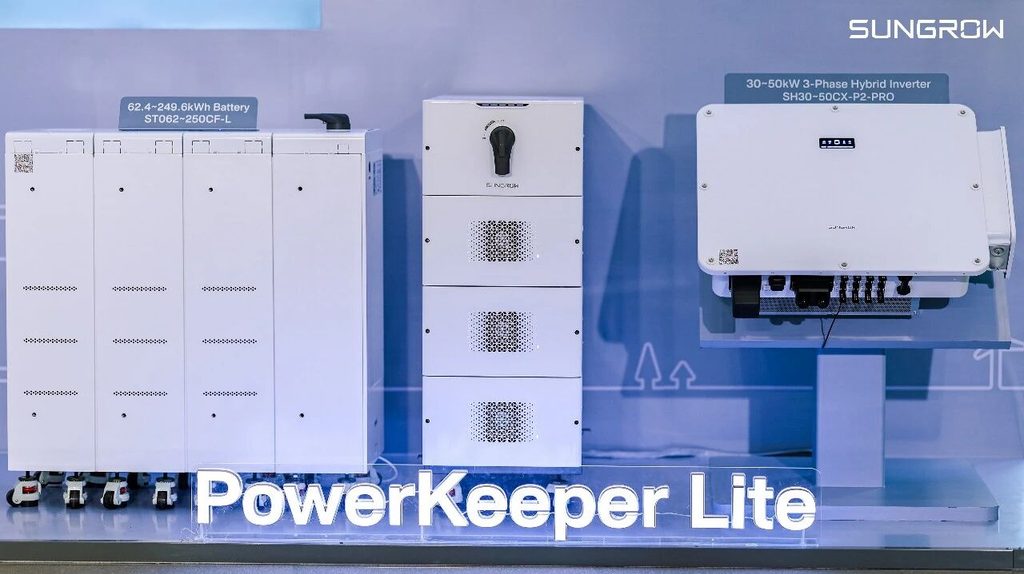
This flexibility allows installers to adapt the system to the actual site rather than redesigning the entire installation around the equipment.
It can also help project owners plan their investment in stages, depending on their budget and future energy demand.
4. Small Details That Make Installation Easier
Another interesting aspect of PowerKeeper Lite is its attention to installation details.
Wiring mistakes can cause delays, additional labor costs, and unnecessary troubleshooting.
Sungrow has introduced several measures to reduce installation errors:
- Color-coded cables for easier identification.
- Predefined cable lengths to keep wiring organized.
- Clear labels showing the purpose of each cable.
- Different connector structures to prevent incorrect connections.
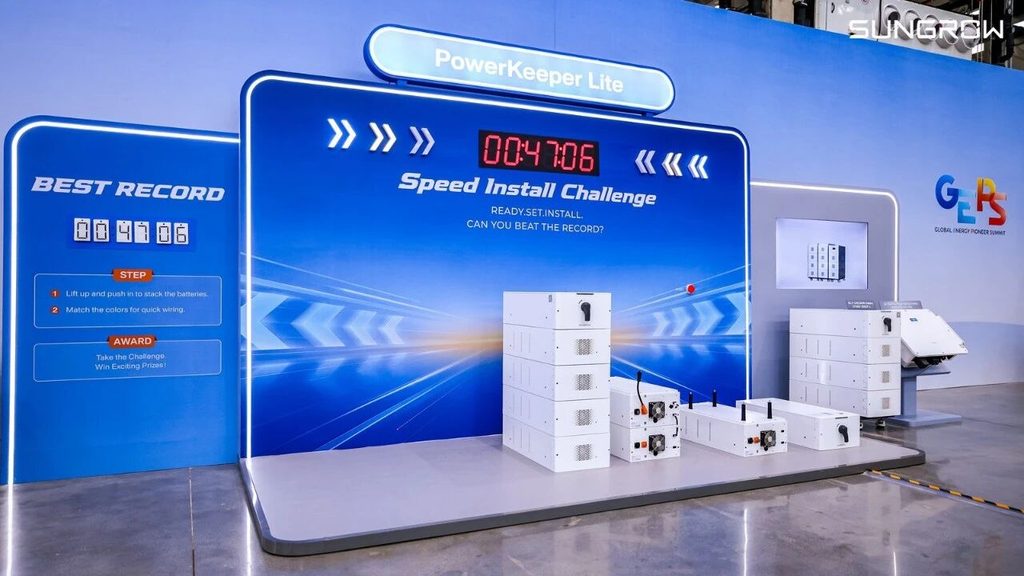
Even the packaging has been considered. The separated top-cover and base design makes unpacking easier and reduces the need for installers to reach deep inside heavy boxes.
These may seem like minor improvements, but for installers handling multiple projects, small time savings can add up.
5. Smart Commissioning and Remote Operation
PowerKeeper Lite also focuses on simplifying system operation.
Through the iSolarCloud app, commissioning can be completed in three steps, with a stated setup time of approximately three minutes under suitable conditions.
For sites without reliable internet access, an optional local display is available for checking system information.
After installation, operators can monitor system status and perform remote fault diagnosis through iSolarCloud.
The system can also work with Sungrow’s iHomeManager Mini for intelligent energy management. According to Sungrow, its AI-based operating mode can improve energy returns by up to 30%, depending on project conditions and operating strategies.
For businesses, easier monitoring and maintenance can reduce the need for frequent on-site visits.
6. Off-Grid Capability Still Matters
For many markets in the Middle East, Africa, and other regions with unstable electricity grids, backup power is not just an additional feature. It can be a major reason for investing in energy storage.
Sungrow demonstrated the PowerKeeper family’s microgrid capabilities at the launch event.
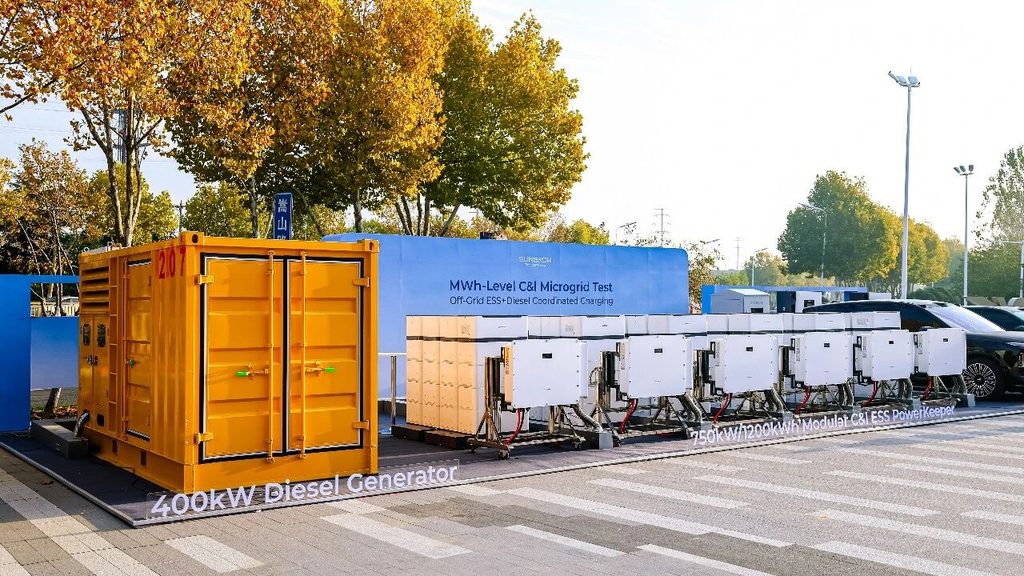
The demonstration included:
- A 400 kW diesel generator.
- A 750 kW / 1,200 kWh PowerKeeper storage system.
- A 320 kW EV charging station.
Using Virtual Synchronous Generator (VSG) grid-forming technology, different power sources can work together to support the microgrid.
This type of solution is particularly relevant for businesses that want to reduce diesel consumption, improve power reliability, or operate in locations with limited grid access.
For these projects, energy storage is not only about saving electricity costs. It is also about keeping operations running.
Our View as a Sungrow Distributor
At Joinsun, we believe choosing a commercial energy storage system should start with the actual project requirements, not simply the highest specifications.
PowerKeeper Lite reflects a practical approach: simplify what is unnecessary, make installation and maintenance easier, but keep reliability and safety at the center of product design.
For small and medium-sized commercial projects, this balance can be just as important as battery capacity or inverter power.
Of course, PowerKeeper Lite is not designed to replace every existing PowerKeeper application. Outdoor installations and projects with more demanding environmental conditions may still require the original solution.
The right choice depends on installation conditions, energy consumption, backup requirements, and future expansion plans.
If you are planning a C&I energy storage project, the first step is to understand how the system will actually be used.
At Joinsun, we work with Sungrow products and help customers evaluate suitable energy storage solutions for different project requirements.
Have a C&I energy storage project in mind? Feel free to contact our team to discuss the right configuration for your application.