Solar Panels Size – Complete Guide to Dimensions, Weight & Selection
When people think about solar energy, they often focus on price or power. However, solar panels size is just as important. The size of solar panels affects how many panels fit on your roof, how much power you can make, and how easy the system is to install.
Solar panels do not come in one fixed size. Different homes, buildings, and solar projects need different solar panels size options. Some panels are made for small house roofs, while others are built for large buildings or open land.
In this guide, you will learn everything you need to know about solar panels size. We will cover common panel dimensions, weight, and how size changes between home, business, and large solar systems.
Why Solar Panels Size Matters More Than You Think
Many people believe that all solar panels are almost the same. This is not true. Solar panels size plays a big role in how well a solar system works.
First, solar panels size affects how many panels you can place on your roof. A small roof may not fit large panels. If the panels are too big, you may not be able to install enough of them to meet your power needs. On the other hand, the right solar panels size helps you use your roof space in a smart way.
Second, solar panels size is linked to power output. In most cases, bigger panels can produce more electricity. However, bigger does not always mean better. If your roof space is limited, smaller panels may be a better choice.
Finally, solar panels size also affects installation. Larger panels are heavier and harder to lift. This can increase labor time and cost. Choosing the correct solar panels size makes installation safer and smoother.
Standard Solar Panels Size Explained
There is no single standard size for all solar panels. However, most panels fall into a few common size groups. Understanding these groups makes it easier to choose the right solar panels size for your space.
Most modern solar panels are shaped like long rectangles. They are designed to fit well on rooftops and mounting frames. The exact solar panels size depends on how many solar cells are inside the panel and how it is built.
Home solar panels are usually smaller and lighter. They are made to fit on house roofs without taking too much space. Larger panels are often used for businesses or open land. These panels have a bigger solar panels size and can produce more power per panel.
Even panels with the same power rating can have different solar panels size. That is why it is always important to check the panel dimensions before buying.
Typical Residential Solar Panels Size
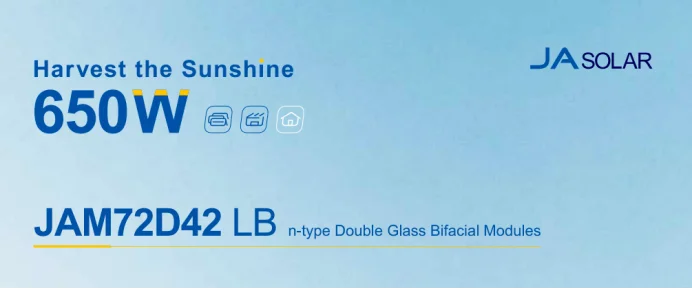
Residential solar panels are the most common type used today. The usual solar panels size for homes is about 1762mm long and 1134mm wide. Most of these panels weigh between 20-22kgs
This solar panels size works well for homes because it is easy to carry and install. Installers can place these panels on most roofs without special equipment. They also allow homeowners to fit many panels in a limited space.
Commercial and Industrial Solar Panels Size
Commercial and industrial solar panels are larger than home panels. Their solar panels size is often around 1762mm long and 1134mm wide. These panels are heavier and can weigh over 22kg.
This larger solar panels size is used on big roofs like warehouses or factories. Bigger panels help businesses produce more power using fewer panels. However, they are harder to handle and usually need more than one person to install.
Solar Panels Size by Cell Count (60-Cell, 72-Cell, Half-Cut)
The number of cells inside a panel has a direct effect on solar panels size. Solar cells are the small squares that turn sunlight into power. More cells usually mean a larger panel.
In the past, most home panels used 60 cells. These panels had a smaller solar panels size and were easy to install on rooftops. They are still used today, but they are less common than newer designs.
Larger panels often use 72 cells. A 72-cell solar panels size 2465mm*1134mm is bigger and heavier. These panels are mostly used for businesses and large roofs where space is not a problem.
Today, many panels use half-cut cells. This means each cell is cut in half, but the panel has more pieces. Even though the panel may look different, the overall solar panels size is similar to older designs. Half-cut panels work better in shade and are more efficient, which is why they are very popular now.
Solar Panels Size vs Weight – What You Need to Know
When choosing solar panels, weight is just as important as solar panels size. As the size of a panel increases, the weight usually increases too. This can affect your roof and the installation process.
Smaller solar panels size options are lighter and easier to carry. These panels are often used on homes because most roofs can safely support their weight. Installers can also move them without much trouble.
Larger solar panels size 2465mm*1134mm options are heavier. Some big panels can weigh over 35kg . These panels may need two or more people to lift and install. The roof must also be strong enough to hold the extra weight.
The materials used in the panel also matter. Panels with glass on both sides are heavier than panels with glass on one side. Always check both solar panels size and weight before making a final choice.
Residential vs Commercial vs Utility Solar Panels Size
Solar panels are made in different sizes for different uses. The right solar panels size depends on where the panels will be installed and how much power is needed.
Residential Solar Panels Size
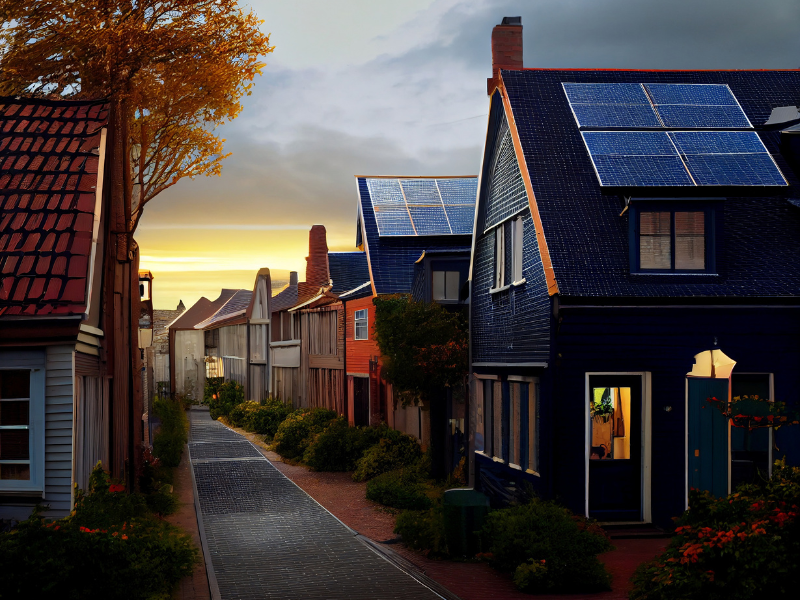
Residential solar panels are designed for homes. Their solar panels size is smaller so they can fit on house roofs. These panels are lighter and easier to install. Most homes use many small panels instead of a few large ones. This makes it easier to work around vents, chimneys, and roof edges.
Commercial Solar Panels Size
Commercial solar panels are used on buildings like offices, schools, and factories. Their solar panels size is larger than home panels. Bigger panels help businesses produce more power with fewer panels. These panels need strong roofs and skilled installers.
Utility-Scale Solar Panels Size
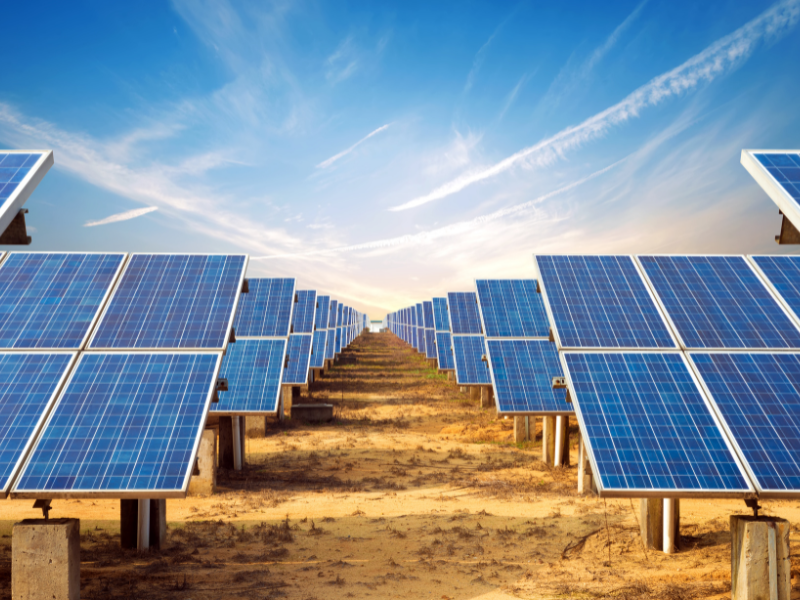
Utility-scale solar panels are the largest of all. This solar panels size is used in solar farms built on open land. These panels are very large and heavy. They are not made for rooftops. Their main goal is to produce as much power as possible using fewer panels.
How to Choose the Right Solar Panels Size for Your Project
Choosing the right solar panels size depends on your space and your power needs. There is no single size that works for everyone.
First, measure the area where the panels will go. If you have a small roof, you may need a smaller solar panels size. This helps you fit more panels without crowding the space.
Next, think about how much electricity you use. Homes that use more power may need larger panels or more panels. The correct solar panels size helps you get enough energy without wasting space.
You should also think about your roof strength. Bigger panels weigh more. Your roof must be able to safely hold the solar panels size you choose.
Finally, check local building rules. Some areas have limits on panel size or weight. Talking to a solar expert can help you pick the best solar panels size for your project.
Common Myths About Solar Panels Size
There are many wrong ideas about solar panels size. These myths can confuse people who are new to solar energy.
One common myth is that a bigger solar panels size always means more power. While larger panels often produce more electricity, this is not always true. Some smaller panels are very efficient and can make a lot of power in less space.
Another myth is that all solar panels size options are the same. In reality, panels come in many sizes and weights. Choosing the wrong size can cause problems during installation.
Some people also think small panels are old or weak. This is false. Modern small solar panels size designs can work very well, especially for homes with limited roof space.
Solar Panels Size FAQs
Below are common questions people ask about solar panels size. These answers help clear up confusion and give quick guidance.
What is the standard solar panels size?
There is no single standard solar panels size. Most home panels are about 5.5 feet long and 3.5 feet wide. Commercial and utility panels are larger and heavier.
Does solar panels size affect power output?
Yes, solar panels size often affects how much power a panel can produce. Larger panels usually have more cells, which helps them make more electricity. However, efficiency also matters, not just size.
Can I mix different solar panels size in one system?
It is possible, but it is not always a good idea. Mixing solar panels size can lower system performance. Most installers recommend using panels of the same size and type.
What solar panels size is best for a small roof?
For small roofs, a smaller solar panels size works best. These panels are easier to fit around roof features and still provide good power.
Final Thoughts on Solar Panels Size
Choosing the right solar panels size is an important step when planning a solar system. The size of the panels affects how many you can install, how much power you can produce, and how easy the installation will be.
There is no one perfect solar panels size for everyone. Homes usually need smaller panels, while businesses and solar farms use larger ones. The best choice depends on your space, energy needs, and roof strength.
Before buying, always check the solar panels size and weight. Make sure they fit your roof and meet local rules. Taking time to choose the correct solar panels size will help you get better results and long-term value from your solar system.