2026 Solar PV Outlook: High-Power Tech and Storage Integration Lead Industry Transformation
Global Solar PV Market 2026: High-Power Modules and Energy Storage Drive the Next Wave of Growth
The global photovoltaic (PV) industry continues its rapid expansion in 2026, underpinned by accelerating energy transition policies, falling technology costs, and rising demand for energy security across both mature and emerging markets. As countries strengthen their decarbonization commitments, solar power has emerged as the fastest-growing renewable energy source, reshaping power generation landscapes worldwide.
High-Power Modules Become the New Industry Benchmark
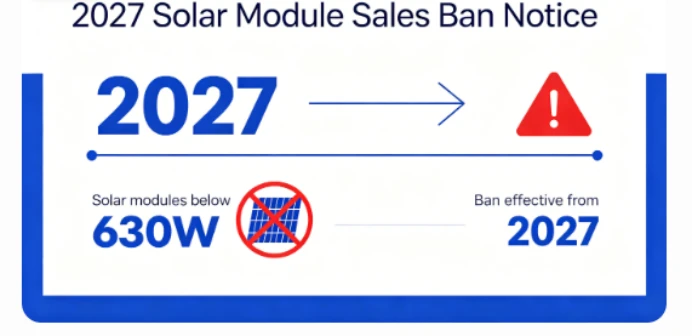
One of the most notable shifts in 2026 is the mainstream adoption of high-power PV modules above 600W, with 700W+ utility-scale products gaining significant traction. Driven by n-type technologies such as TOPCon and HJT, module conversion efficiencies have consistently broken records, delivering higher energy yield per unit area and reducing balance-of-system (BOS) costs for project developers. Bifacial modules, in particular, have become standard in large-scale ground-mounted projects, leveraging albedo reflection to boost generation output by 10–20% compared to monofacial alternatives. This technology iteration is not only improving project economics but also accelerating the levelized cost of electricity (LCOE) decline, making solar power increasingly competitive with fossil fuels in most regions.
Solar-Plus-Storage Integration Reshapes Grid Flexibility
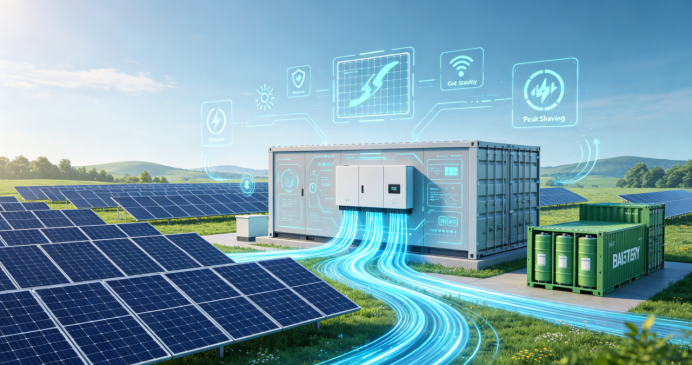
As solar penetration rises, energy storage has evolved from an optional add-on to a critical component of modern PV systems. The solar-plus-storage model addresses the intermittency challenge of solar generation, enabling peak shaving, time-of-use arbitrage, and grid stability support. In 2026, battery energy storage systems (BESS) paired with utility-scale and commercial & industrial (C&I) solar installations have seen explosive growth, supported by favorable regulatory frameworks and declining lithium-ion battery costs. For end-users, hybrid PV systems provide greater energy independence and resilience against grid volatility, while for utilities, they unlock valuable ancillary service revenue streams. This integration trend is expected to deepen as smart inverters, AI-based energy management systems, and virtual power plants (VPPs) become more widely deployed.
Emerging Markets Unleash Untapped Demand
Mature markets such as Europe, China, and the United States remain core growth engines, but emerging economies are emerging as pivotal drivers of global PV demand. The Middle East, North Africa, Southeast Asia, and Latin America are witnessing a surge in solar deployment, fueled by abundant solar resources, growing electricity consumption, and government-led renewable energy auctions. Countries in the Gulf Cooperation Council (GCC) are pursuing gigawatt-scale solar projects to diversify their energy mix, while nations in Southeast Asia are expanding distributed solar programs to improve energy access. For international solar suppliers, these markets present significant opportunities, alongside the need to navigate local certification requirements, currency risks, and supply chain logistics.
Supply Chain Resilience and Sustainable Manufacturing
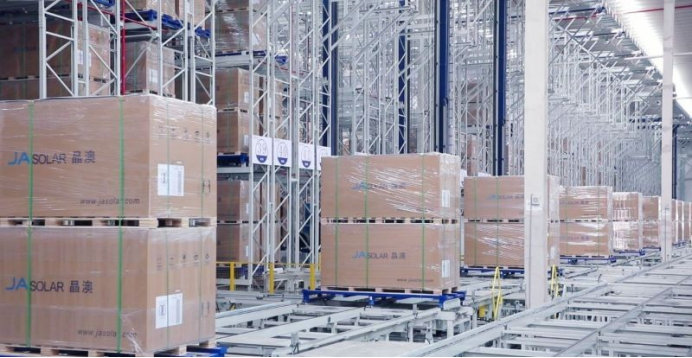
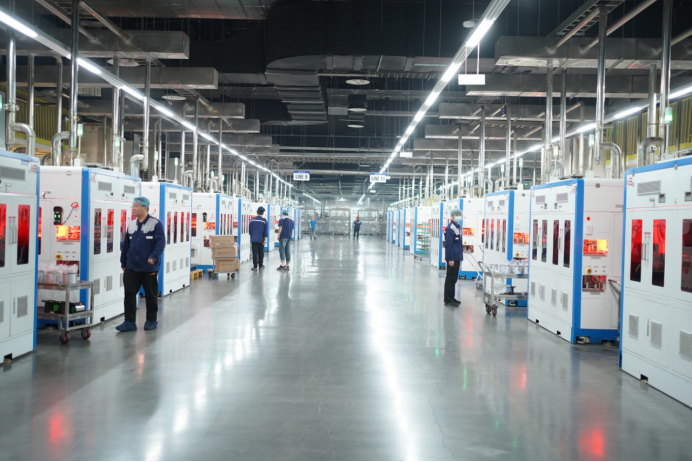
The industry is also placing greater emphasis on supply chain diversification and sustainable production. After years of geographic concentration, PV manufacturing capacity is expanding across multiple regions, supported by local content requirements and industrial policy incentives. Meanwhile, environmental, social, and governance (ESG) criteria are playing a larger role in procurement decisions, with buyers prioritizing modules produced with low-carbon manufacturing processes and recycled materials. This shift is pushing the entire value chain—from polysilicon to module assembly—to improve transparency and reduce its carbon footprint.
Looking Ahead
The solar PV industry stands at a dynamic inflection point in 2026. Technological innovation, cost competitiveness, and supportive policy environments will continue to drive robust growth. As high-power modules, energy storage, and digitalization converge, solar power is moving from a supplementary energy source to a backbone of the global energy system. For industry players, staying ahead requires continuous investment in R&D, deep understanding of regional market dynamics, and the ability to deliver integrated, reliable, and cost-effective solar solutions.