670W+ Solar Panels 2026: High-Power B2B Module Guide for Utility & Industry
Solar panels rated at 670 watts and above are shaking up commercial and utility-scale solar tech. These high-power modules use advanced cell designs like TOPCon and bifacial structures, squeezing out more energy per panel than ever before.
For any business eyeing a big solar project in 2026, getting a handle on these panels could lower installation costs and boost system performance. It’s a lot to keep up with, honestly.
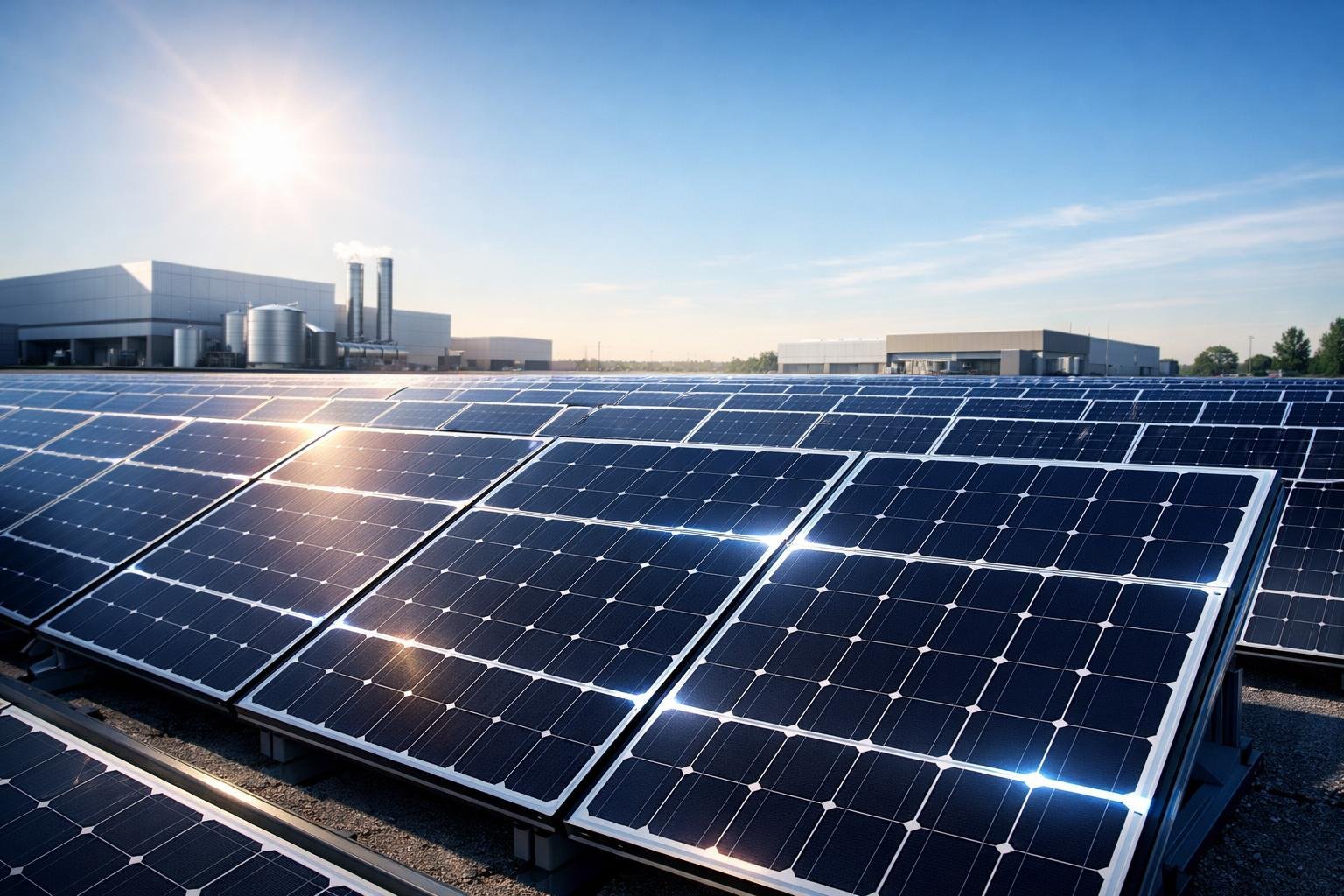
670W+ solar panels hit efficiencies between 21% and 24.8%, and their bifacial designs can boost total output by up to 85% by catching light from both sides. Major players like JinkoSolar and Astronergy have rolled out these modules with 1500V system ratings and better temperature coefficients, so they really shine in hot climates.
They pack more power into frames that aren’t much bigger than before, thanks to smarter cells and slicker light capture. These panels fit best on utility-scale solar farms, big commercial rooftops, and distributed generation projects—places where higher wattage means you don’t need as many panels.
This guide digs into the tech, top brands, real-world uses, and reliability benchmarks that actually matter when you’re picking 670W+ modules for your business. No fluff—just the essentials.
Key Takeaways
- 670W+ solar panels use TOPCon and bifacial tech to hit 21-24.8% efficiency, driving down installation costs per watt
- Leading brands offer 12-15 year product warranties and 30-year power guarantees—so you’re covered long-term
- High-power modules trim balance of system costs and make installs less of a headache for commercial and utility-scale solar
Key Features and Technology Innovations of 670W+ Solar Panels
670W+ solar panels blend several advanced technologies—half-cut cell designs, multi-busbar layouts, and PERC tech. All of these work together to boost efficiency, cut power loss, and wring more energy from every square meter you use.
Ultra-High Power Output Explained
A 670W panel pushes out 670 watts of power under standard test conditions (that’s 1000 watts/m² of sunlight, 25°C cell temp, and air mass 1.5, if you’re into specs). The secret? Larger cell sizes—usually 210mm—paired with advanced cell tech.
When you install these, you need fewer panels for the same system size. For example, a 100-megawatt plant needs about 24% fewer 670W panels than if you went with old-school 500W modules.
That means you buy less racking, run less wiring, and your crew works fewer hours. The string power on these modules jumps 34% over typical 500W+ panels in big installations. Each string in a utility-scale setup can take 28 modules at -20°C, pumping out around 18,760W per string.
Half Cut Technology and Multi Busbar Advancements
Half-cut tech splits regular solar cells in two. That move slashes resistive losses and helps your panels perform better when they’re partly shaded.
Mix in multi-busbar (MBB) tech and you’ll see efficiency climb up to 21.6%. MBB swaps the old 4-5 thick ribbons for 9-16 thin ones, which means less shading on the cells and lower resistance.
Packing the busbars closer together—high-density interconnection—shortens the current’s path, so you lose less energy. Plus, your panels shrug off micro-cracks since the stress spreads out over more connection points. Pretty clever, honestly.
Non-Destructive Cutting and Incident Angle Modifier
Non-destructive cutting keeps cell edges smooth and crack-free, unlike older cutting methods that can sneak in micro-cracks and hurt long-term output. This precision cutting lowers the risk of cell breakdown over the years.
So even as panels get bigger to handle higher wattage, the cells stay solid. The incident angle modifier (IAM) tells you how well your panel grabs sunlight from different angles. These 670W mono panels stay strong all day, even when the sun’s low in the sky.
Better IAM means you’re not missing out on those early morning or late afternoon rays. That’s more energy in your pocket, especially in places where the sun isn’t always overhead.
Bifacial & Monocrystalline PERC Module Benefits
Monocrystalline PERC (Passivated Emitter and Rear Cell) tech adds a reflective layer to the cell’s back, bouncing unused light through for another shot at absorption. It bumps up efficiency by 1-2 percentage points over standard mono designs.
That extra layer also cuts down on electron recombination, so more of the electricity actually reaches your system. Bifacial designs go even further, catching reflected light from the ground or mounting surface on the panel’s backside.
Depending on your setup—white roofs, pale gravel, or snow—you might see another 5-30% power bump. These big modules still handle 5400 Pa positive load and 2400 Pa negative load, even with their size. The beefed-up frames keep things from bending or breaking under stress.
Leading Manufacturers and B2B Solutions
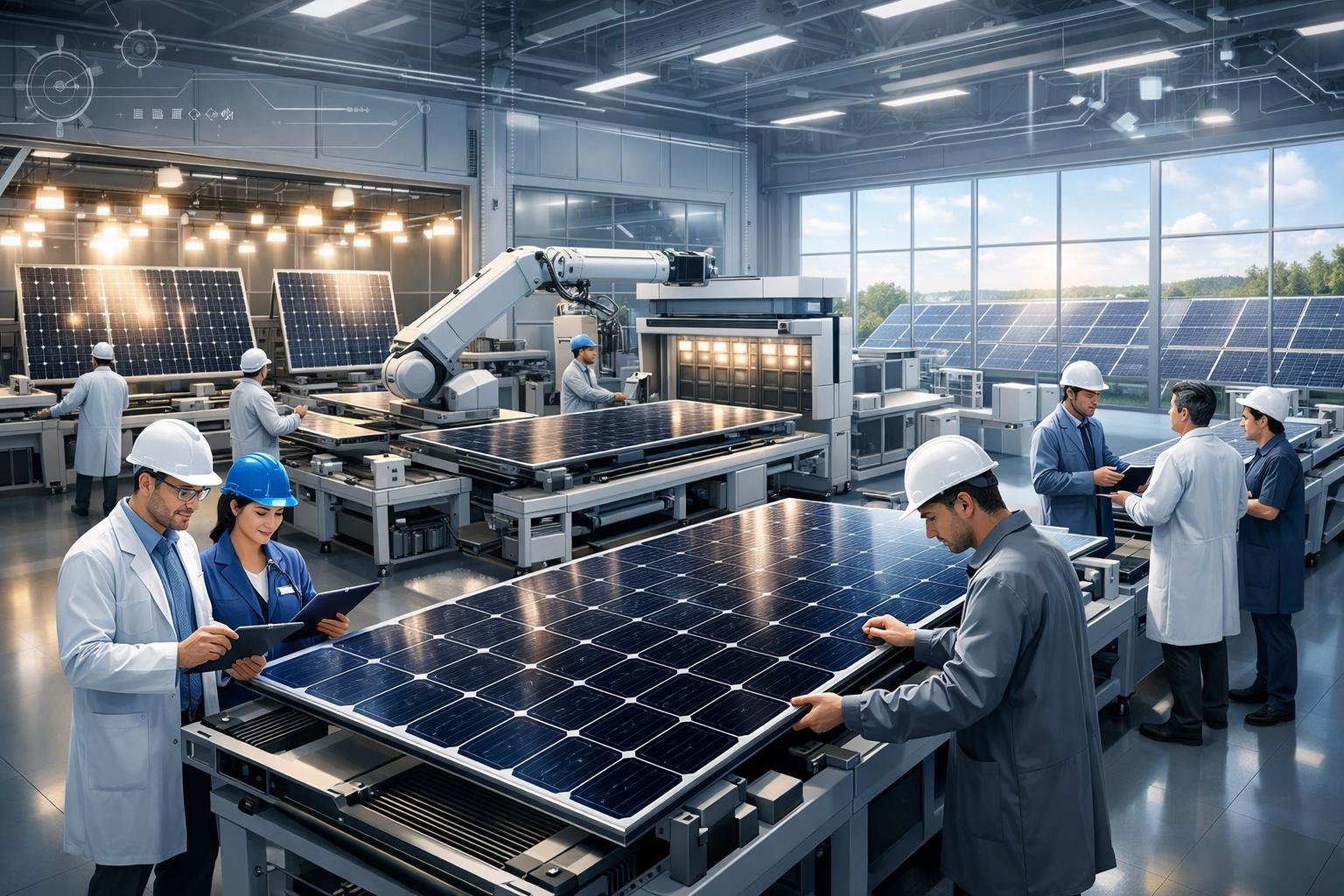
Trina Solar is out in front in the 670W+ market with their Vertex modules. But honestly, lots of manufacturers are chasing this high-power niche now.
The industry’s even formed alliances to push ultra-high power tech forward and set new standards for commercial applications. There’s a real sense of “let’s raise the bar together” right now.
Trina Solar and Vertex Modules
Trina Solar’s Vertex TSM-DEG21C.20 puts out up to 670W using 210mm wafers and mono PERC cells. That’s 21.6% efficiency, and you might even get a bit more thanks to a +0 to +5W power tolerance.
The Vertex lineup uses bifacial tech to catch sunlight from both sides, driving up your total production. The backsheet mono construction keeps these panels tough enough for residential, commercial, and industrial jobs.
You can grab these panels from B2B distributors with US warehouse stock, and if you’re buying in bulk, you’ll usually get a better deal. Makes sense for big projects.
Innovation in the Photovoltaic Industry
The 600W+ Photovoltaic Open Innovation Ecological Alliance kicked off on July 14 with 39 member companies. Their goal? Build out next-gen tech platforms and standards by pooling resources across the supply chain.
Members are working together on R&D, manufacturing, and application development, aiming for 600W+ modules that actually deliver for customers. By integrating core processes, they’re trying to make sure components play nicely together, so you’re not stuck with mismatched parts from different suppliers.
Comparing Mainstream 670W+ Models
Global crystalline silicon module production just blew past 500 gigawatts, almost double last year. Chinese companies still dominate, but Indian and US manufacturers are stepping up too.
When you’re comparing 670W+ panels, here’s what to look for:
- Power output range: Most models run 635-680W
- Efficiency ratings: Top models hit 21.4-21.6%
- Cell tech: N-type TOPCon or mono PERC
- Bifacial capability: How much rear-side energy they catch
- Warranty terms: Product and performance guarantees
First Solar and LONGi Green Energy are up there with Trina Solar among the top manufacturers. If you’re buying wholesale, always ask for spec sheets and test certs—don’t just take their word for it.
Applications, Performance, and Integration
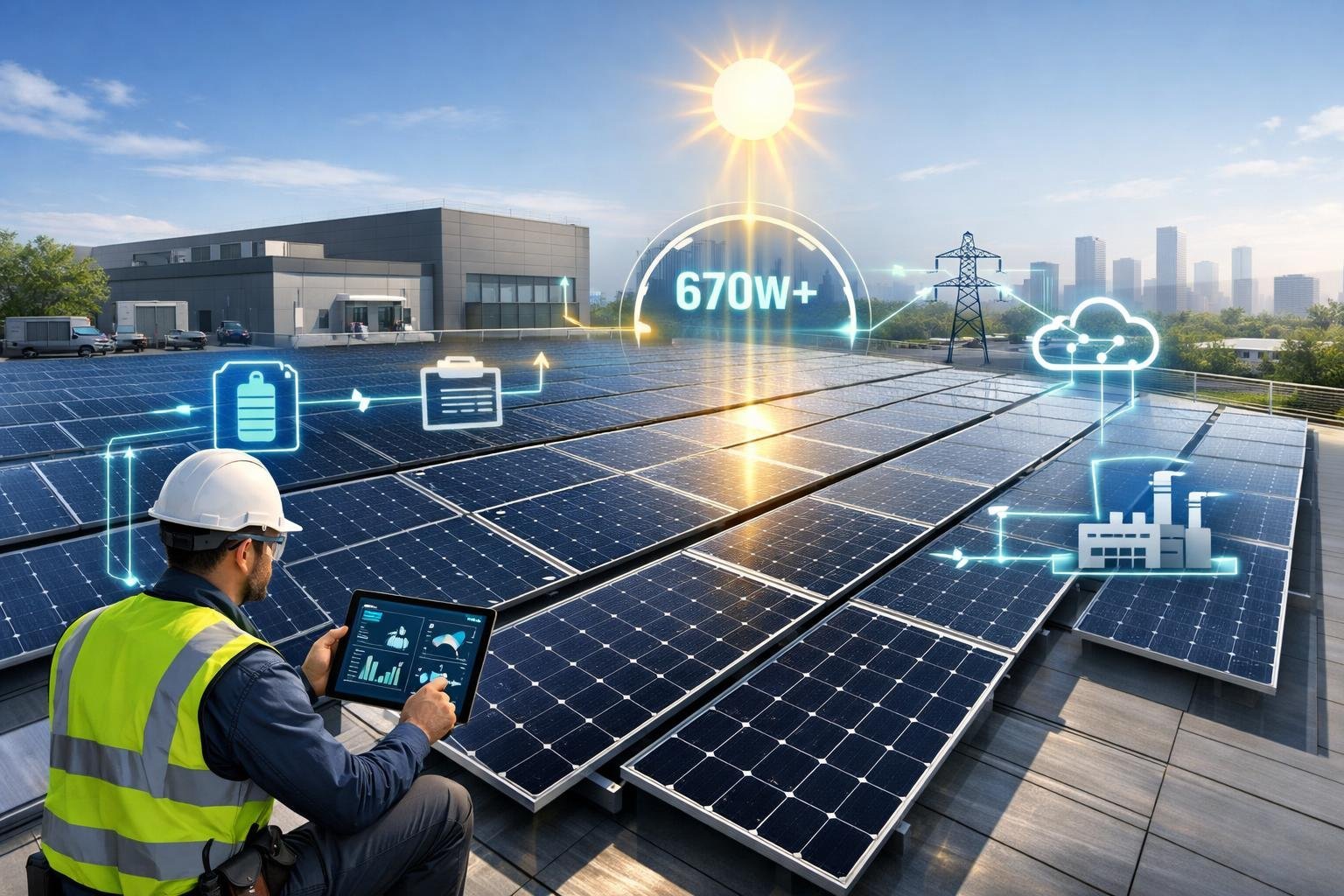
The real value of 670W+ modules shows up in big deployments where power density and system economics run the show. These panels play nice with standard inverter setups and help cut project costs by using space more efficiently and lowering install expenses.
Utility-Scale PV Projects: Maximizing ROI
Utility-scale solar farms get a direct boost from 670W panels—less land needed and fewer support structures. A 100 MW farm with these modules takes 15-20% less space than one using 500W panels. That’s a big deal when land’s expensive.
Modern 670W modules like the ASTRO N7 Pro use quarter-cell architecture to keep hotspot temperatures down and maintain output when shade hits. They can deliver up to 20% higher energy yields than half-cell designs if shading is an issue.
Key advantages for utility projects:
- Bifacial capability at 85% bifaciality—so you grab 1-3% more energy from ground reflection
- 30-year performance guarantees with just 1% first-year degradation and 0.35% per year after that
- Temperature coefficient of -0.26%/°C keeps output steady in the heat
You can wire up 28 modules per string at this power level, dialing in the right voltage for central inverters. It’s all about making every string count.
Compatibility with Mainstream Inverters
670W panels work with most standard inverter platforms—no need for weird custom gear. Their voltage and current specs line up with what 1500V commercial and utility inverters expect.
String setups are still straightforward. You can connect 28 modules for big central inverters, or tweak the string length for smaller string inverters depending on your gear.
These modules fit right into the MPPT windows of the big inverter brands, so you’re not locked into one supplier or stuck with custom procurement headaches.
Lower LCOE and Project Economics
670W modules drive down levelized cost of energy (LCOE) in a few ways. Higher output per panel means you buy fewer modules, which saves on procurement, shipping, and install labor.
Balance of system costs drop too—less racking, fewer clamps, and shorter cable runs. If you swap 540W panels for 670W, you’ll need about 25% fewer modules for the same project size.
Fewer panels also mean faster installs. Your crews finish up sooner, so you start generating revenue faster. Lower upfront costs plus steady long-term performance? That’s a recipe for better returns over 30 years.
Reliability, Certification, and Market Outlook

High-power solar modules go through a ton of testing to prove they’ll last in real-world conditions. Industry certifications help you spot quality products, but honestly, it’s still smart to double-check the details yourself.
The 670W+ panel market keeps growing as manufacturers squeeze out more efficiency and lower costs. Seems like this high-power trend isn’t slowing down anytime soon.
Durability and Warranty Considerations
Most 670W+ modules come with 25 to 30-year power warranties. These warranties guarantee you’ll get at least 84-88% of the original output after 25 years.
Manufacturers put these modules through some pretty tough mechanical load tests—we’re talking way beyond the basics. The 670W Vertex modules have survived six specialized tests, including 35mm hail impacts and gnarly wind tunnel conditions.
Some panels lose less than 1% of their power after a brutal combo of dynamic loading, 50 thermal cycles, and 30 humidity-freeze cycles. That’s impressive, but it’s always smart to check how modules hold up in real-world stress.
Tests for light-induced degradation (LID) and light and elevated temperature-induced degradation (LeTID) show top-tier 670W modules lose less than 0.5% power after 486 hours of exposure.
Quality Certifications and Standards
The Renewable Energy Test Center (RETC) releases annual PV Module Index reports. These reports dig into reliability, quality, and performance with some pretty intense accelerated stress testing.
Leading 670W+ modules score high in reliability (like DH2000 damp heat and TC600 thermal cycle tests) and performance (think PAN file characterization and degradation resistance). You can look for modules that go beyond IEC standard requirements and get recognized as “Overall High Achievers” by independent labs.
The Product Qualification Program (PQP) from PV Evolution Labs (PVEL) offers another way to compare module reliability across brands. AAA bankability ratings from industry analysts show which manufacturers bring strong innovation, product value, and financial stability.
Future Developments in High-Power PV Modules
New i-TOPCon Ultra tech has bumped efficiency by 1.8%. Manufacturers are aiming for 760W outputs in large formats and keeping 670W in standard-sized panels by the end of 2024.
Back contact technologies like HPBC 2.0 now deliver 670W with efficiency up to 24.8%. You can expect more power as cell tech keeps evolving, but the focus has shifted—now it’s also about shrinking module size and weight for easier installs.
Production capacity for 670W+ modules ramped up a lot through 2024 and 2025. These high-power options are way more available for commercial and utility-scale projects now.
Frequently Asked Questions
High-power solar panels above 670W are shaking things up in commercial solar. They come with unique benefits and a few things to watch out for, especially if you’re thinking about business applications.
Understanding the tech specs, integration quirks, and financial impacts can help you make smart choices about these advanced modules.
What are the key advantages of using 670W+ solar panels for commercial applications?
Higher wattage panels mean you need fewer modules to hit your target system size. Fewer panels = fewer mounting structures, less labor, and lower balance of system costs.
The compact footprint of 670W+ modules lets you squeeze more power out of every square meter. If your commercial property is tight on space, that’s a big deal.
These panels usually pack advanced cell tech like TOPCon, HPBC 2.0, or heterojunction designs. That means better performance in high heat and less degradation over the 25-year warranty.
How do these high-power solar modules contribute to improved project return on investment (ROI)?
Using fewer panels cuts installation time and labor costs. Your project wraps up faster, so you start seeing returns sooner.
Higher efficiency ratings—24.8% and up—let you squeeze more energy from the same space. That means more electricity to offset bills or sell back to the grid, boosting your revenue.
Needing fewer inverters, combiners, and mounting bits slashes your total project cost by 5-10% compared to lower wattage panels.
What important considerations should be taken into account when integrating 670W+ solar panels in existing PV systems?
Check if your inverters can handle the higher current and voltage of 670W+ modules. Some older inverters just can’t keep up with the latest high-power setups.
String sizing is different with higher wattage panels. You might need to tweak the number of panels per string to fit your inverter’s specs.
Mounting structures have to support the size and weight of these larger panels. Most 670W+ modules use bigger cells, so their physical dimensions aren’t the same as those old 400-500W panels.
Wiring, disconnects, and combiners may need upgrades to handle more current. It’s wise to have a qualified solar engineer check your existing setup before you go all in.
Can you outline the efficiency and performance metrics of the state-of-the-art 670W+ solar panels?
Current 670W+ panels hit module efficiency ratings of 24.8% in mass production. LONGi Hi-MO X10 and JinkoSolar Tiger Neo 3.0 both reach that level, but with different cell tech.
Cell efficiency in these modules goes up to 26.6% with fancy back contact designs. That’s a step up from standard TOPCon modules, which usually top out at 23-24%.
First-year degradation rates sit as low as 1%. After that, expect about 0.35% loss per year, so your panels stick around 88% of their original power output after 25 years.
Temperature coefficients of -0.26%/°C help minimize power loss in hot weather. That 0.03% edge over standard TOPCon modules adds up in warmer places.
Bifacial models offer 85% bifaciality, generating 553-570W from the rear. This extra output boosts your total energy yield without eating up more roof space.
What are the technological advancements that have enabled the production of 670W+ solar modules?
Back contact cell designs ditch the front-side busbars and move all electrical contacts to the back. This lets more light in and cuts shading losses that usually drag down power output.
Zero-busbar (0BB) structures shorten the energy transmission path by 6.5%, which adds about 5W to module output. LONGi was first to roll out 0BB on back contact platforms using smart soldering tech.
N-type silicon wafers stand up better to light-induced degradation than p-type ones. LONGi’s TaiRay wafer tech, for example, brings 16% better break resistance and stronger performance.
Bipolar hybrid passivation tech bumps open-circuit voltage by 15mV to 745mV. Multi-layer anti-reflection films boost short-circuit current by 2.25% and cut short-wave light reflection by 12%.
Advanced manufacturing lets companies scale up production at these high efficiency levels. Some are already hitting 50GW annual capacity for these next-gen modules.
What are the sustainability and environmental impacts of opting for higher-wattage solar panels in B2B settings?
If you use fewer panels, you cut down the total embodied energy and carbon footprint of your solar setup. There’s just less aluminum in the frames, less glass, and you need fewer mounting and electrical parts.
Higher efficiency panels crank out more clean energy from less material. That means the energy payback time drops—usually to about 1-2 years if you go for high-efficiency modules.
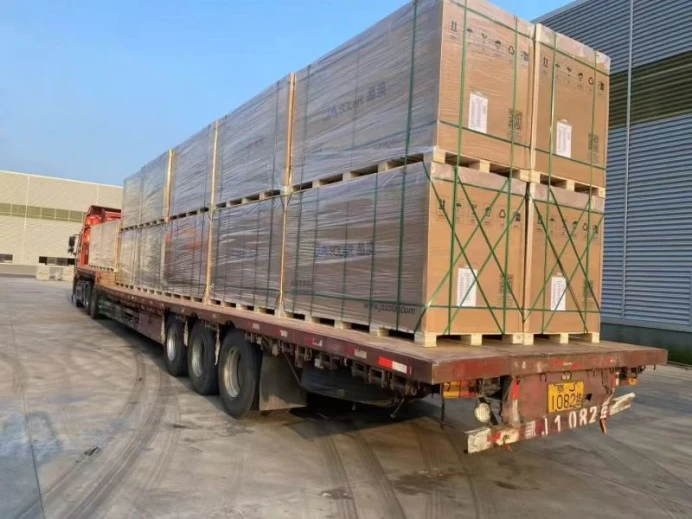
When you don’t need as many panels, transportation gets simpler. Shipping fewer pallets and lighter loads means trucks burn less fuel on the way to your site.
Panels with longer warranty periods—think 25 years—don’t need swapping out as much. So you get decades of clean energy without constantly replacing parts or calling for maintenance.
Features like uniform passivation and solid thermal management help these panels last longer. So your investment keeps chipping away at fossil fuel use for years, which honestly just feels like a win.